Lt. Gov. Touts Rural Grant Awards in Cummington
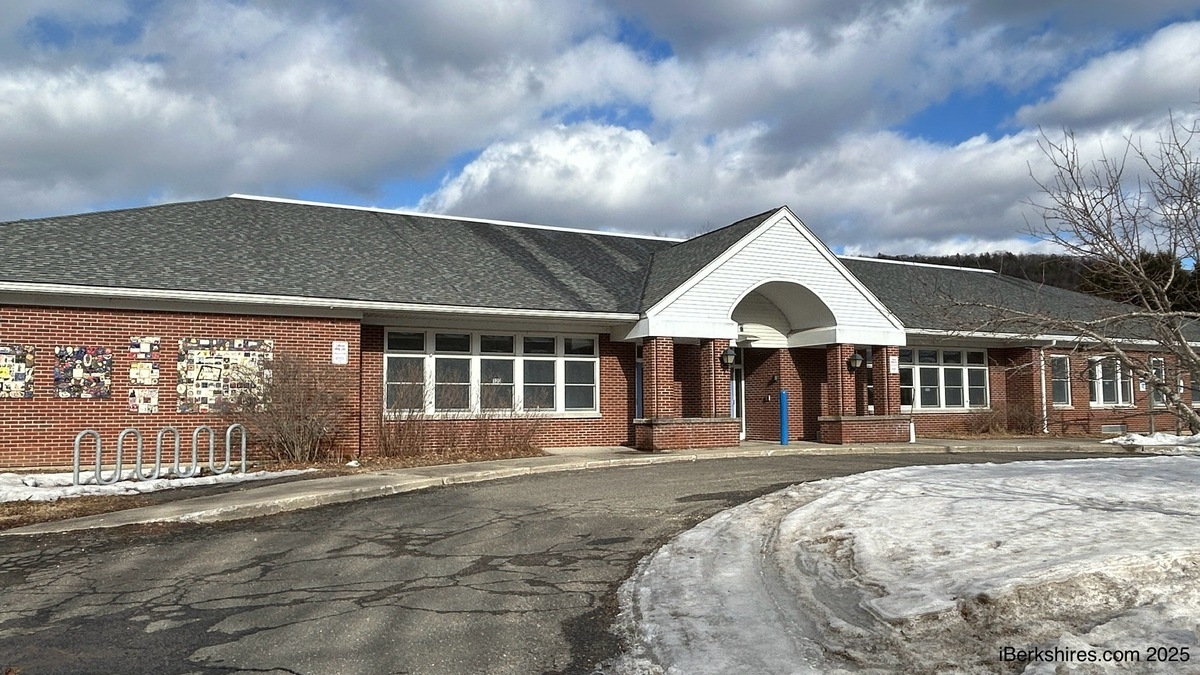
CUMMINGTON, Mass. — A state grant has boosted the Berkshire Trail Building revitalization by $400,000, a project that has been in the works for over six years.
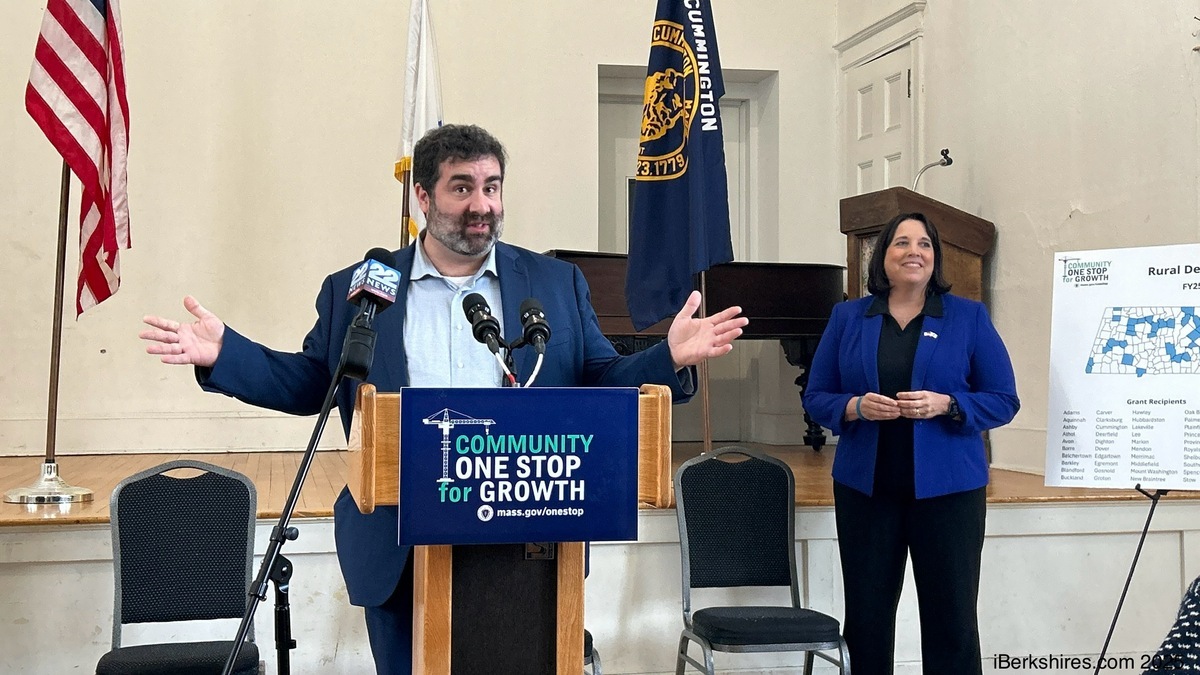
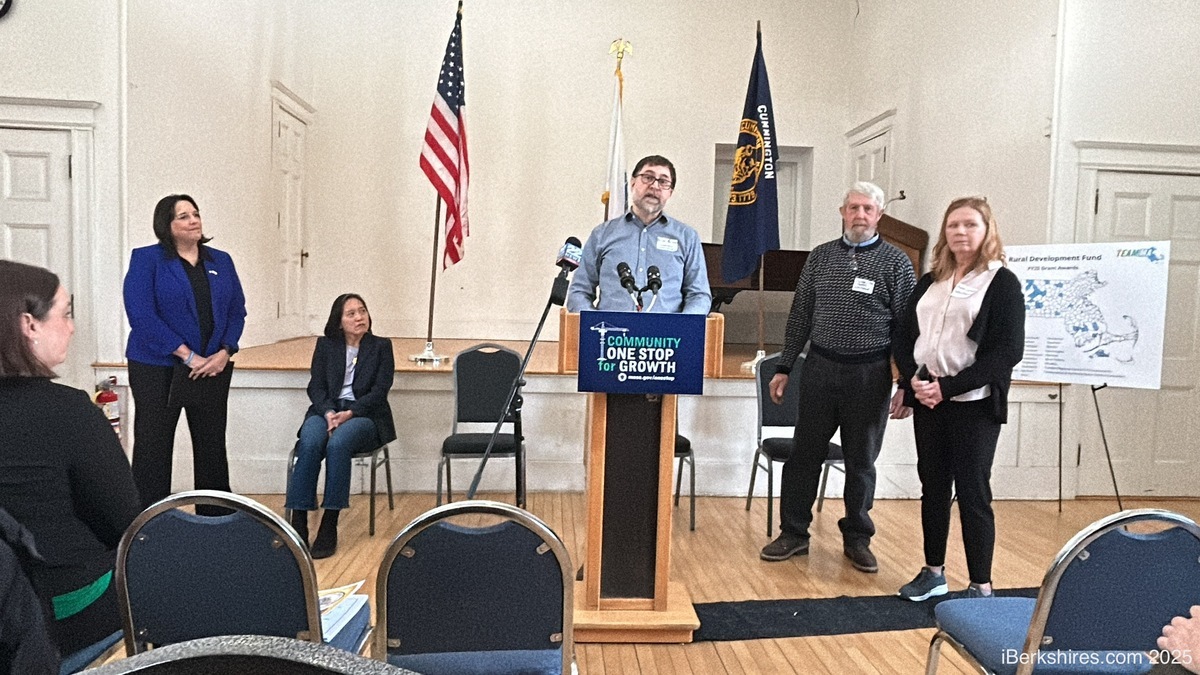
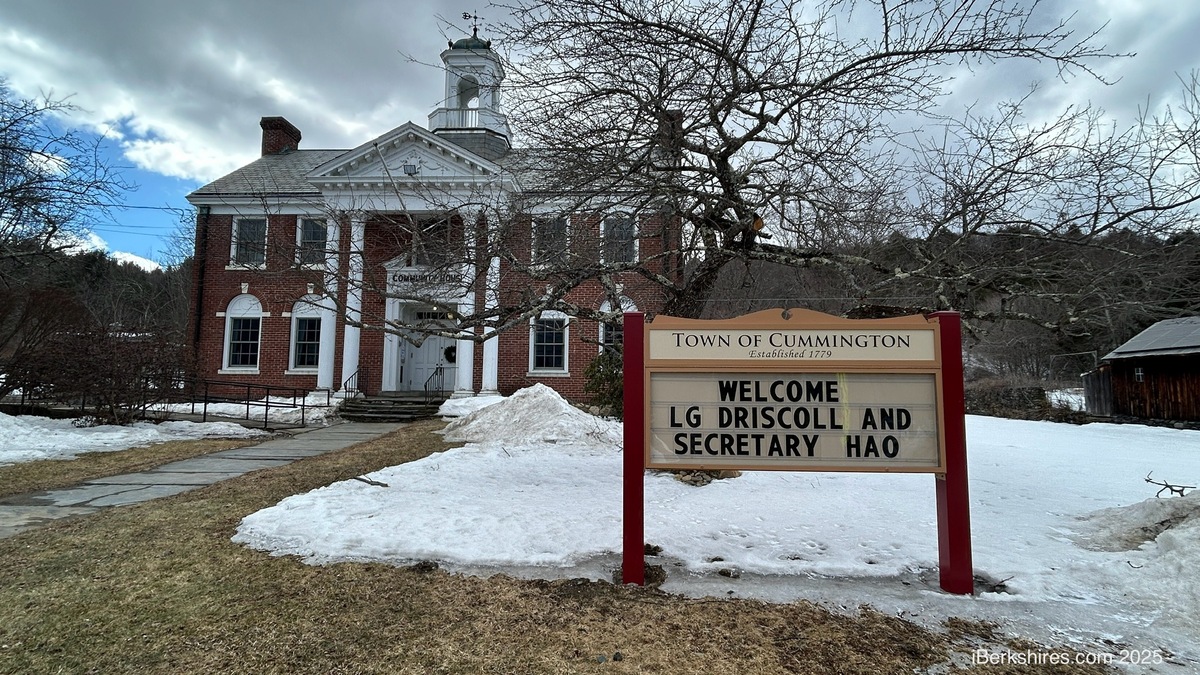
"Make sure to get a look at it on your way out," Selectman Brian Gilman told a crowd at the Community House. "The next time you pass this way, you might not recognize it because of all the new life that is breathed into it."
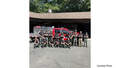
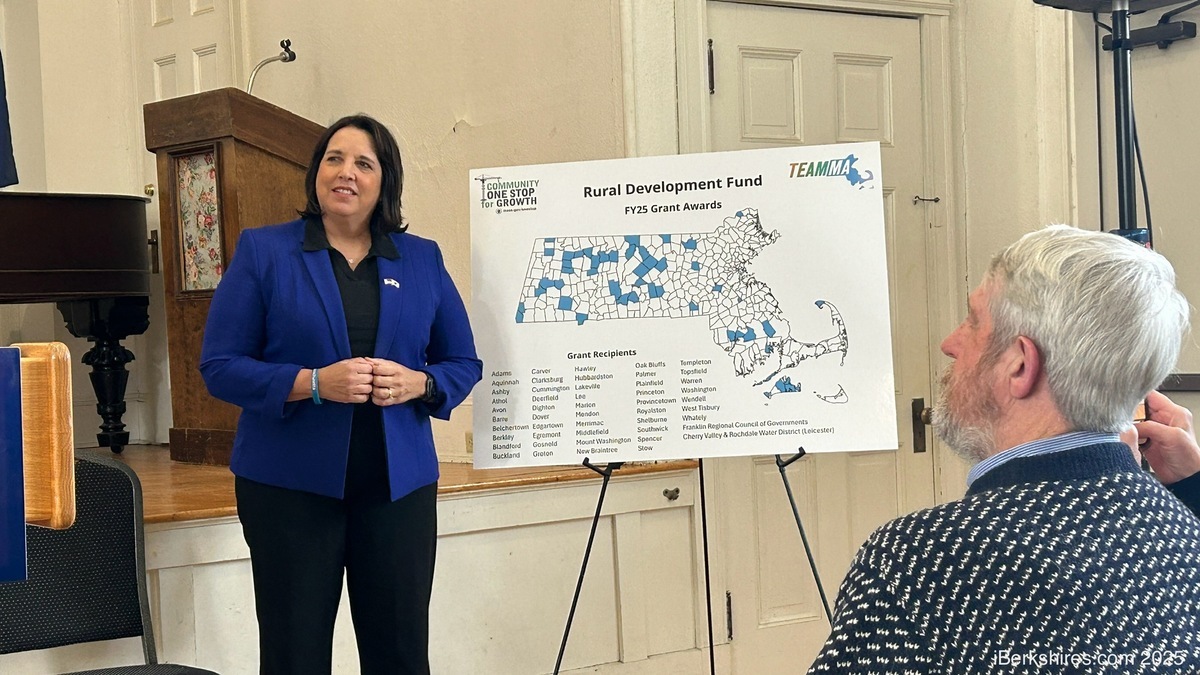
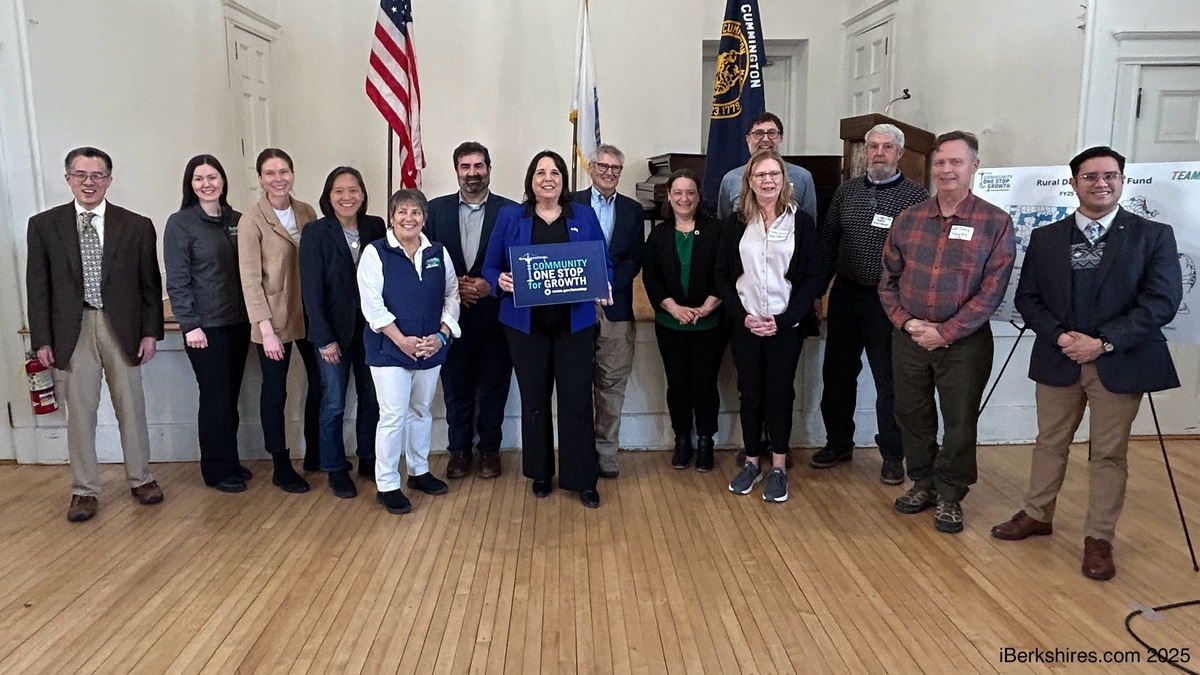
Lt. Gov. Kim Driscoll traveled to Cummington on Friday to celebrate $10 million in Community One Stop for Growth funding for rural communities. Last year, the town was awarded $400,000 to transform the former Berkshire Trail Elementary School into governmental offices, a food incubator, a business rental space, and an early childhood education facility.
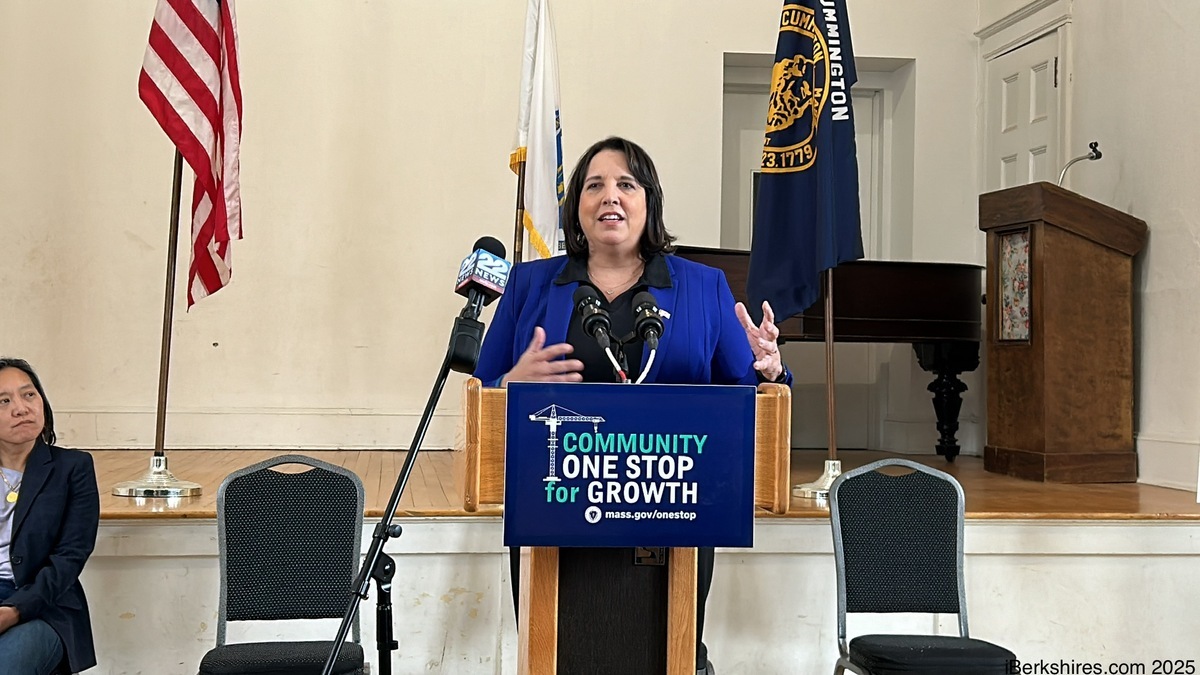
Driscoll said the administration wants to build a commonwealth that is more affordable, equitable, and competitive "but that equity piece also includes geographic equity." The Rural Development Fund, administered by the Executive Office of Economic Development, provides grants for community projects in rural and small towns.
"We wanted to make sure that we had a better handle on how tiny towns and rural communities could receive a little bit more of the funding," Driscoll explained.
"Because the formula was a little tilted towards higher populations and so many of our tiny towns and rural places have lots of geography and lots of roads but not a lot of people so the formula didn't work in their favor."
The 22,000-square-foot school, located at 2 Main St., was built 75 years ago and closed in 2015. Gilman explained that this presented a chance to reimagine and repurpose the building, which in hindsight "could and perhaps should have felt like a daunting task for a small town of 800 people with a very part-time and mostly volunteer local government."
"But the Select Board at the time boldly moved forward with keeping activity in the building until a permanent plan could be put in place. Folks asked the Select Board about using space in the building for a variety of purposes," he said.
"In its first post-elementary school iteration, the building housed a district-run preschool, the town's family center, a homeschool cooperative, soap making and pasta sauce production, the Village Closet nonprofit, services like yoga and musical instruction, as well as a children's library."
After a few years, the building was chosen to house the hub of the town's new fiber optic network but the work was difficult in an occupied building. The Select Board paused activity in the fall of 2019 and formed an ad hoc advisory group to make a plan for the former school.
"In late 2019 and early 2020 before the world shut down, the ad hoc group was able to solicit community input and synthesize the community's desires for the building," Gilman said.
"Collectively, our community wanted to keep the building for the town as a space to house local government, a food incubator, recreational facilities, the children's library, preschool, co-working space, and commercial rental space. We had a dream but not a clear path to bring it to fruition."
A subsequent feasibility study proved that the town was on the right track but the scope of required work and costs were much more than anticipated, about $8.6 million.
Officials are considering using the state grant for construction documents, hiring an owner's project manager, and doing value engineering if possible.
"We as a town are excited to see our former school building move forward towards a new life that will benefit our town, as well as the wider Hilltown region, for generations to come," Gilman said, reporting that the Hilltown CDC's Mobile Market is interested in becoming an anchor tenant in the kitchen and cafeteria space.
He added that the town looks forward to the day when its offices are in a better, more accessible home just down the hall from entrepreneurs, children, and other life.
Economic Development Secretary Yvonne Hao said it may seem easy to turn a school into a multi-use economic development engine but it is not.
"It's really hard and we choose to do it not because it's easy but because it's hard and because we know it's going to have a big impact on making people's lives better here," she explained.
Hao said we are living in "interesting times" where it is easy to feel angry, sad, or resigned when you watch the news but events like these bring hope and "great optimism."
"There's so many things we can't control but let's focus on what we can control and all the great things we can do together," she concluded. "Let's go team Massachusetts, let's go team Western Massachusetts, let's go Cummington."
State Sen. Paul Mark said that as the state's most rural legislator, it is "incredibly gratifying and incredibly hopeful" to see the commitment to Western Massachusetts and small towns.
"I was here in 2012 at a pancake breakfast trying to save the school before it closed when I was a first-term rep for Cummington," he said.
"And so to see how things have changed but that mission of the town has never ended and that we're all working together to try to make this a successful place and a beautiful, vibrant town is so important."
Driscoll explained that she came to the state for college and, like many, never left.
"I found a place that's welcoming, that's inclusive, that is designed to solve hard problems, like that's what we do here," she said. "We view the work ahead as being both the backstop and the beacon, continuing to support, uplift, and empower what's happening locally, and really want to be a strong partner."
Rural Development Fund Awards to Berkshire County (some of which were announced last fall):
-
Town of Adams: $330,000 to support its Memorial Building Redevelopment & Reuse Project, a project to redevelop a 70,000 square-feet vacant school building, including the creation of 25 units of new rental housing and community uses.
-
Town of Clarksburg: $140,000 to upgrade and repair the Briggsville water system. The project will replace the water main, and the lateral lines, install shut-offs and meters, and build a water storage tank to provide for a two-day supply.
-
Town of Egremont: $75,000 to develop design alternatives to rehab Karner Brook Dam and adjacent raw water infrastructure for flood resiliency.
-
Town of Lee: $60,000 towards developing parking to support downtown economic development.
-
Town of Mount Washington: $86,000 to support renovations of the unused one-room schoolhouse to be used as a cultural center for Mount Washington.
- Town of Washington: $500,000 for planning, engineering, and design work on a 2.3-mile roadway reconstruction over Lower Valley Road and Johnson Hill Road, which connects MA Route 8 and Middlefield Road.
Tags: driscoll, state grant,