Pittsfield Health Initiative Vaccinates Underrepresented Population
PITTSFIELD, Mass. — The Pittsfield Health Department worked to vaccinate Hispanic community members after noticing they were underrepresented.
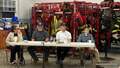
At Wednesday's Board of Health meeting, public health nurse Patricia Tremblay and community health worker Gabrielle DiMassimo presented the results of the targeted initiative to address vaccination hesitancy in this population.
Through messaging and clinics, the department administered more than five times more vaccines to Hispanic community members this season than the previous — jumping from 14 doses last season to 74 doses in the 2024-2025 season.
The public health workers recognized that this isn't a large number but said they obtained valuable insights throughout the process, Tremblay explaining, "It's not significant maybe but it's important."
"Through this program, we've taken several steps to address the hesitancy in Pittsfield and that would include doing our focus groups, our survey to assess, increasing our number of clinics as well as doing clinics specific for this population," DiMassimo said.
"And we also increased our messaging to the community through the billboards, using these incentives, trying to encourage folks to come. We really pushed our vaccine program this year."
Chair Roberta Elliott commended the health workers, stating "I'm so impressed with how you set it up, the questions you asked, the process, how it all came together."
In mid-2023, the department found that only 4.75 percent of the county's Hispanic residents were vaccinated for COVID-19 and the flu. The barriers they identified were misinformation on social media, lack of information on side effects, fear of death from vaccines, and religious beliefs.
It was funded with about $20,000 in American Rescue Plan Act money.
The Massachusetts Department of Health's respiratory illness dashboard shows that 15.8 per 100,000 Hispanic or Latino residents visited the emergency department in late January for COVID-19 and 154.7 per 100,000 for influenza.
"What these data points show are that really Hispanic populations use the emergency department for both COVID and for flu as a primary care and they are more frequenting emergency departments than non-Hispanic counterparts," DiMassimo explained.
"We also see as well that hospital admissions are increased for both COVID and flu for Hispanic community members in Massachusetts and we believe that may also be attributed to the lower vaccination rates. Therefore, increasing the severity of illness."
Statewide, immunization rates for this population are just above last year's.
The Health Department conducted three focus groups in June with participants identified through community leaders and organizations working with the community. They asked several questions, including if the residents had concerns about the vaccines, if there were related past events that discouraged them from getting vaccinated, and if distance or timing of clinics were preventing them from being vaccinated.
Ninety-five percent of respondents attributed their hesitancy to misinformation, lack of information, and fear of death. Seventy-right percent received at least one dose of the COVID-19 vaccine due to work and travel restrictions.
"We really kind of focused on what messaging did we want to put out to the community that effectively addressed the concerns that we identified from the focus groups," DiMassimo said.
There were three billboards placed across the city with information about vaccination clinics — two featuring Volunteers In Medicine Executive Director Ilana Steinhauer.
Five clinics were hosted during Hispanic Heritage Month during which 43 doses were administered to Hispanic residents and over 130 doses to the general population. In total, 74 doses were administered to the Hispanic population in 2024-2025, compared to the 14 doses in the former season and five before that.
Incentives such as free food and giveaway bags aimed to draw people in.
Tremblay explained that the number doesn't represent 74 different people because many got both vaccines.
"I don't think our grant showed a significant change but I think we've learned a lot more from going through the process and I think that's an important piece of it," she said.
Through a survey, the department found that 72 percent of the 30 respondents did not feel hesitant about vaccination, 83 percent are getting vaccinated for health and safety, and 97 percent plan to get vaccinated the following year. Almost all respondents said the experience was overall very positive.
The department has vaccinated more than 610 people this season — up from 260 the previous season.
Tags: board of health, vaccinations,