Pittsfield Braces for 'Difficult' Budget Season
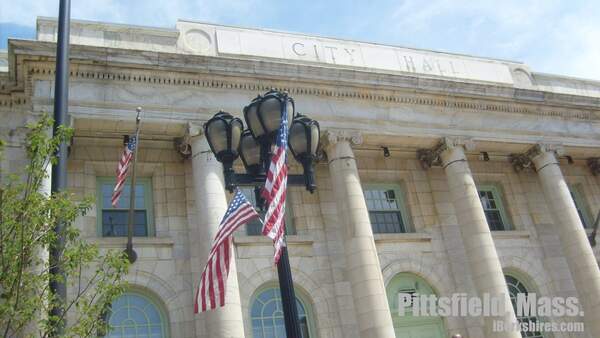
PITTSFIELD, Mass. — The upcoming budget cycle will be "difficult" and have no frills, officials say.
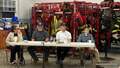
"As most of you know, I was sounding an alarm that I thought fiscal year 2026 was going to be pretty scary," Mayor Peter Marchetti told the City Council and School Committee on Wednesday.
"And although the governor's budget provided some clarity and some positive Chapter 70 numbers, there are still many challenges that we will face."
There is a potential increase of about 15 percent on the city's health insurance, which would add $4.5 million in expenses and is equal to the Chapter 70 increase. During the Massachusetts Municipal Association Conference at the end of January, officials were told that the increase for MIIA/ Blue Cross Blue Shield of Massachusetts is between 9 percent and 19 percent with an average of 14.8 percent.
"We win some we lose some and so I think this budget and the budget drivers that we have are going to be difficult," Marchetti said.
Finance Director Matthew Kerwood said the city still has to figure out exactly how much the increase will be.
"Don't hold me to this but what I can say with reasonable confidence is that looking at our trends, we are running below premium," he reported.
"We're running about 97 percent, 96 percent of the premium, which means our claims experiences are less than the premiums that we're paying in and that's right about where you want to be. If you're over, you automatically know you're going to be above the average so hopefully we can be below that 14.8 percent."
Other expense drivers include wages as all city union contracts will expire at the end of June, a 5.2 percent increase in the retirement contribution raising it to $18.3 million, and a 9.5 percent increase in long-term debt totaling nearly $12 million.
The city has about $8.2 million in free cash, about $421,000 less than FY24.
The $215,955,210 budget for fiscal year 2025, with $114.7 million on the city side and $82.6 million for the schools. The city has spent more than $42.4 million so far and the schools have spent $46.2 million.
With an estimated levy of $119.3 million, more than $81.3 million in state aid, nearly $14 million in local receipts, and $1.5 million in free cash, the city expects to take in $216,137,374 in fiscal year 2026.
Kerwood emphasized that the levy is an estimation, as "we don't actually know what the maximum levy is until we get into the conversation about, under Proposition 2.5, what our new growth is going to look like."
As much as 92 percent of the city budget is obligations such as salaries, health insurance, 401K, and other contributions the city has to make.
"The discretionary is very limited unless you really want to start reducing services or— it doesn't mean there aren't efficiencies in there. It doesn't mean there aren't ways to be able to do things differently," Kerwood said, pointing to smaller efficiencies that the city could make like not printing direct deposit receipts.
Councilor at Large Earl Persip III warned that the public will not see many motions to cut the budget during deliberations.
"Because there's not much to cut because it's mostly staff," he said. "So pre-empting everybody before it's budget time. There's no flashy stuff in this budget."
Marchetti also provided a five-year review of the city's tax information. The average single-family home value has increased by 44.8 percent from FY21 to FY25, now valued at $295,292.
"I guess the upside of that is when residents have more value in their homes, they have increased equity and improved financial security," he said. "When values go up, our tax rate can decrease, which has been the case over the last five fiscal years where we saw a decrease in the rate of 6.8 percent."
Since FY21, the average tax bill has increased by $275 per year because of rising property values, which is expected to continue for the next couple of years.
Marchetti reported that he had a 24.5 percent tax increase because of a significant rise in the value of his home, the tax bill nearly doubling in the past nine years.
"And so that's the stuff that we're competing against," he said.
Pittsfield is on the lower end of home values, higher to mid-range for the tax rate, and in the overall mid-range for tax bills.
Marchetti highlighted the services that Pittsfield residents receive, including trash, a full-time fire and police department, 14 schools, and 205 miles of roads that are maintained.
"We also need to take a look at the variety of services that we offer in Pittsfield, and yes, number one is still curbside trash and recycling collection and disposal in the city of Pittsfield," he said.
"Regardless of the changes we made, those are still services that we provide for the residents of Pittsfield that many other communities do not get provided with their tax dollars."
Just days into the mayor's first term, the City Council asked him to present a "close to level-funded" budget for the upcoming fiscal year.
"I will say for this year's budget process, I am not going to be sending department heads on the fool's errand," Marchetti reported.
"I am asking them to provide me with the budget that they believe is best to run their departments, staying within certain guidelines. We're not going to play ‘give me a level service, give me a level-funded, give me a 5 percent reduction,' because I don't think that that is a fruitful use of our time."
Tags: fiscal 2026, pittsfield_budget,