Drinking Water Advocates Applaud Well Water Bill
WORCESTER, Mass. — The Coalition for Safe Drinking Water is applauding legislation filed this month that would enable Massachusetts to develop minimum statewide water quality standards for private wells and expand a financial assistance program to remediate wells affected by PFAS ("forever chemicals") and other harmful contaminants in drinking water supplies.
The filing of bills SD.847 by state Sen. Jamie Eldridge of Marlborough and HD.3597 by state Reps. Natalie Blais of Sunderland, Meghan K. Kilcoyne of Clintoin and Danillo A. Sena of Acton, is not only suppported by the coalition, a grassroots group led by RCAP Solutions, but also the Health Foundation of Central Massachusetts that is focused on equitable access to clean and safe drinking water.
There are no co-sponsors on either bill so far.
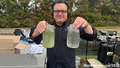
More than half a million Massachusetts residents — located heavily in rural areas but also in all 351 cities and towns — rely on private wells for their drinking water. Yet many are consuming water that may be unsafe because the source is not regularly tested and treated like public water supplies and could have harmful contaminants such as PFAS (perfluoroalkyl and polyfluoroalkyl substances), arsenic, radon, uranium and more. A 2023 poll revealed that 92 percent of residents believe that state government should play a role in ensuring safe drinking water for all.
"As the Legislature continues to address PFAS contamination in communities across the state this session, it's crucial that the hundreds of thousands of households relying on private well water have access to clean and safe drinking water," said Eldridge. "That's why I'm proud to once again file legislation to empower the DEP to regulate private wells and establish a program to help homeowners test their wells for dangerous contaminants."
The initiative gained momentum last year in the state budget process, with $100,000 appropriated to the Massachusetts Department of Environmental Protection to conduct a study and make recommendations for a statewide program to ensure that drinking water from private wells is safe to consume. The MassDEP study is currently in progress.
The newly filed legislation would grant the MassDEP clear authority to establish standards and define testing requirements for new and existing wells to ensure effective implementation. Upon the sale of a home, a private well used for drinking water would have to pass a test for the transaction to be completed (similar to the state's Title 5 septic system regulations). The state would make resources available to assist eligible homeowners with the cost of well water upgrades.
RCAP Solutions' Private Well Program to Protect Public Health, funded by The Health Foundation, conducted more than 500 water quality tests of private wells across several Massachusetts communities from 2020 to 2022, finding that about a third of the wells contained levels of contaminants higher than state health standards or suggesting potential health risks.
For more information about the legislation and the Coalition for Safe Drinking Water, visit whatsinyourwellwater.org.
Tags: drinking water,