Pittsfield Allocates All ARPA Funds
PITTSFIELD, Mass. — All of the city's American Rescue Plan Act monies have been allocated to meet the state's end-of-year deadline.
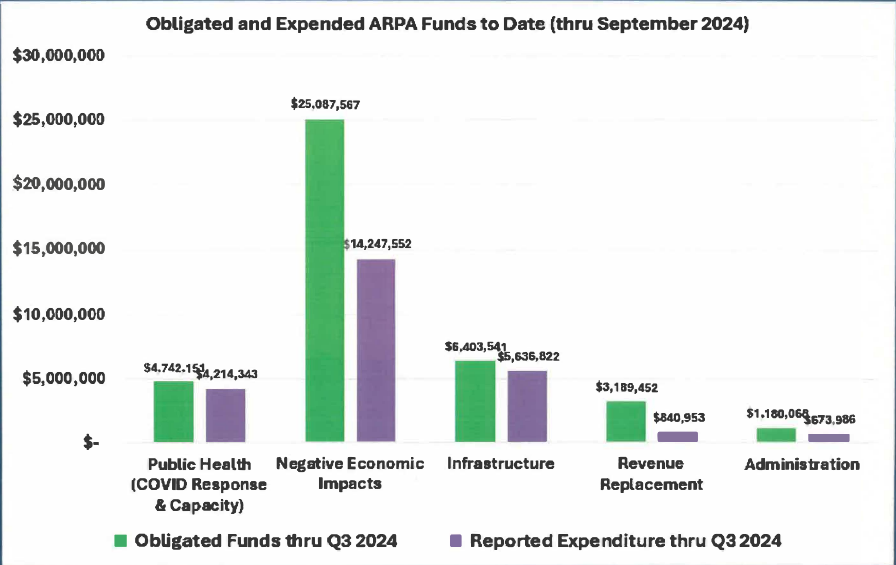
Pittsfield received $40.6 million from a $1.86 trillion pandemic relief bill signed by President Joseph Biden in 2021. The historic allocation of funds went toward public health, negative economic impacts, infrastructure, revenue replacement, and administration.
More than half of the allocated funds address negative economic impacts, totaling more than $25 million. Infrastructure accounted for $6.4 million, public health $4.7 million, revenue replacement almost $3.2 million, and administration about $1.2 million.
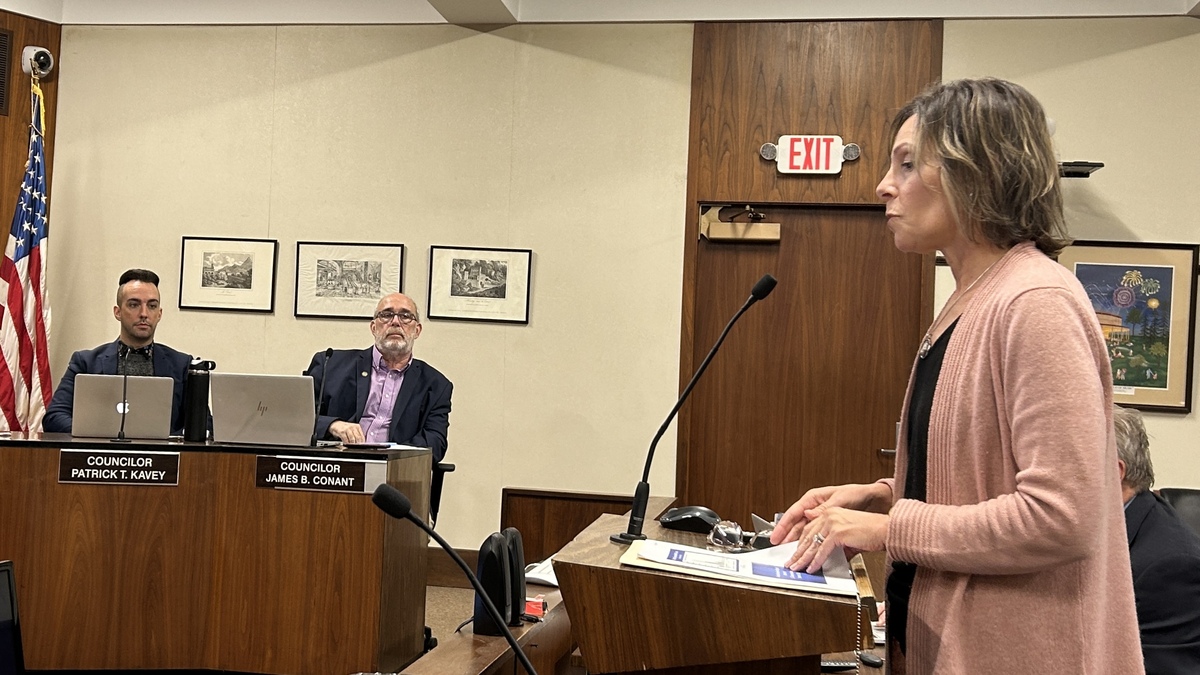
"We have seen great momentum in addressing the housing needs in Pittsfield," Special Project Manager Gina Armstrong told the City Council on Tuesday.
Early this month, the city saw a large chunk of the funds actualized at a ceremonial groundbreaking for Hearthway Inc.'s 37 micro-apartments a housing resource center.
A total of $6.5 million was allocated for this supportive housing project with 28 units on vacant land on West Housatonic Street and nine at Zion Lutheran Church on First Street.
Armstrong said the micro-apartments will be for people experiencing homelessness and the housing resource center will boast a commercial kitchen, showers, laundry, support services, and amenities for many years to come.
The city awarded $750,000 in ARPA funds for White Terrace Apartments, which are currently taking applications as Terrace 592. More than $354,000 was allocated for an emergency shelter that opened as The Pearl.
The 40-bed shelter at 21 Pearl St. opened in January after years of planning. The facility includes three dorms with bunk beds and en suite bathrooms, two recreation rooms, handicapped restrooms, and a laundry room.
With more than $195,000 of the funds, the city installed 13 water meters for income-qualifying households. The Cleveland Water Treatment Plant also saw more than $1.2 million in upgrades with ARPA funds.
Several APRA projects totaling $2.4 million are in progress, including updates to the city fire stations, the replacement of the Taconic High School track, and HVAC control upgrades to multiple schools.
More than $600,000 in ARPA monies went toward the rehabilitation of the Springside Pond. Last month, a ribbon cutting officially debuted it to the community.
Over the last year, a quarter-century of planning for Springside culminated as crews removed sediment, repaired the dam, and increased accessibility on the historic site. The pond now boasts an accessible boardwalk and paved paths that lead the way.
There were 37 grant agreements with community partners for eight capital projects and seven programs, totaling $6.3 million in ARPA funds distributed through the third quarter.
Armstrong highlighted a couple of programs that served community members with the funds.
Habitat for Humanity's Community Navigator Program was awarded $800,000 in APRA funds.
"This is designed to expand the existing program to support pandemic recovery for three years and it addresses a whole host of community and household needs and barriers," she explained.
"To date, through the navigator program, they have served 2,093 households, a total of 3,281 residents, with a broad scope of services, including connection to medical resources, housing, employment supports, critical home repairs, SNAP and WIC benefits, health insurance, food delivery, translation services, financial education and literacy, and legal issues."
Berkshire Theatre Group was awarded $220,000 for job training assistance for two and a half years. This will fund mentoring and job training for Pittsfield High School and Taconic High School students.
"This has gone very, very well," Armstrong said, explaining that it provides the opportunity for education within the classroom, connects students with careers in theatre, and offers stipends for educational and training opportunities at the theatre.
"Students had exposure to everything from box office to carpentry and costume design, sound and electric, and learning about stage management, also performing arts and instruction."
Tags: ARPA,