Adams Town Meeting Rejects Petition for Greylock Glen Commission
 |
ADAMS, Mass. — Town meeting members on Tuesday resoundingly rejected a citizen's petition pushing the creation of a Greylock Glen Commission.
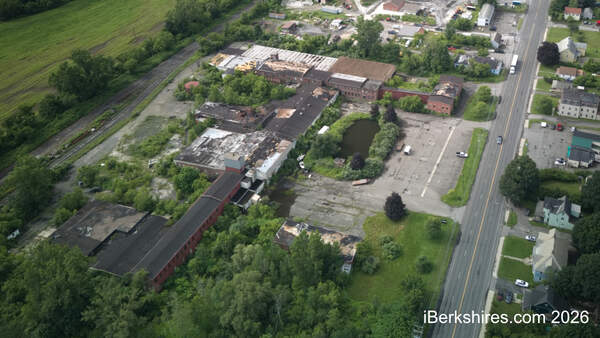
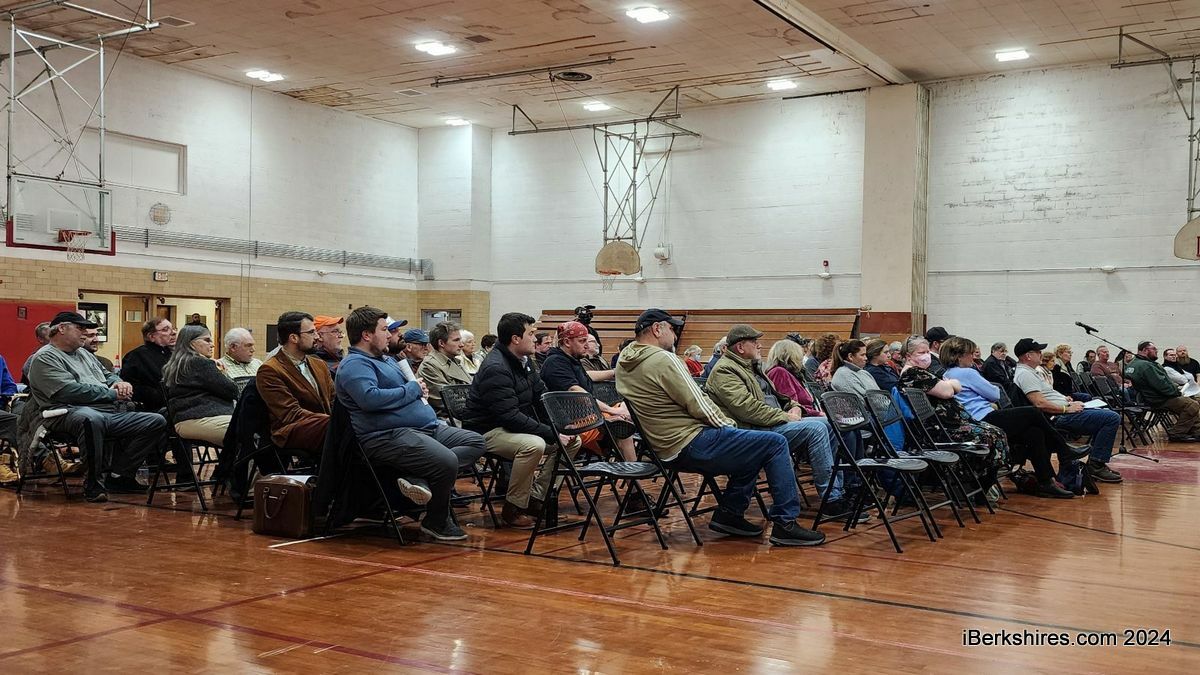
The question was the only article to fail at the special town meeting attended by 91 town meeting members. The overwhelmingly passed several bylaws, a special tax assessment for the Adams Theater and authorized the Selectmen to sell the Memorial Building and enter into an agreement for solar carports at the Glen.
Article 9 on the warrant would have authorized the Selectmen to resubmit to the Legislature language created in 2019 to establish a nonprofit commission with oversight and financial authority over the glen.
The petitioners said the commission was long overdue, citing the taxpayer funds that had gone to the development of the recently opened Outdoor Center and the infrastructure to support it.
"I want to say that what I heard was that people were irate at the amount of taxpayer money that's being spent at the Greylock Outdoor Center even now without any significant revenue return to the town of Adams," said Diane Parsons, a town meeting member and one of the leaders of the petition that garnered 146 signatures to be placed on the warrant.
Town officials, however, said it would mean handing over all the hard work and investment over the past few years with no return to the town. The taxpayers won't see any funding coming back from tenant contracts for a food vendor, campground and Mass Audubon programming that are in the midst of negotiations, they said.
"We need the economic money to come into our coffers, and this is how we're going to do it," said Selectmen Chair John Duval. "This commission is approved, we walk away, the Select Board walks away, and where's all this money going to now?
"They will get it. It stays up on the hill. It stays with commission."
Selectwoman Christine Hoyt said not only was the language outdated — the nonprofit was considered at the time as a way to raise money for a now completed center — but had been rejected by the Legislature twice.
"One of the things that I would ask is give some time for us to have conversations as a community, to figure out what is the best structure. Is the best structure of commission, or is it a district? Is it an authority? Is it an advisory board?" she said. "There are very different ways that we can look at this and structure it, and I'm asking for time and a lot of conversation to figure out what that is."
Selectman Joseph Nowak read a lengthy statement he said proved the need for a commission by bringing up staff abilities and their pay, past financial problems of the food vendor, a lack of communication with the state representative, water issues, an inconsistent schedule and accusing his fellow board members of favoritism in the selection process.
"The commission would have the time to do it that would be their job, and they would have the people necessary to oversee aspects that will be brought to fruition here," he said. "I have made it known that I strongly believe that the formation of a commission is paramount. The present operational plan of the Outdoor Center will not make this venture self sustaining. It will fail."
Wilk called him out of order several times and cautioned him to stick to the article and not to get into personalities.
Member John Cowie rose to his defense: "I think his whole argument is that based on the current administration and the way that going is being run has been improper, or maybe not improper, but it could have been done better in the execution."
Town meeting member James Fassell, longtime member of the Parks and Conservation commission, quoted a letter to the editor by Jerome Socoloff that the town would "cede a stunning amount of control" to the commission.
Nowak asked when the time would be for a commission; Fassell responded the "proper time is decided by us, by you, by Mr. Duval, by the rest of us."
Jeffrey Blake of KP Law, the town counsel, clarified that passage of the article wouldn't immediately change anything. Rather, it authorized the Selectmen to forward the home-rule petition but did not order it.
Town meeting member Fred Lora asked if state Rep. John Barrett III had endorsed the language; Parsons said he had reviewed it. Duval said the state representative had not contacted the board about citizens petition. He also during the meeting questioned some of the statements that Barrett had made about the commission in The Berkshire Eagle, such as a member being appointed by the governor. "We didn't ask for that," he said.
"It's our economic development project, it's Adams. It's not Massachusetts, it's not North Adams, it's Adams. It's our economic development project. The only one we have," said Duval. "We've got to make as much out of this as we can."
Members by voice vote clearly voted no twice. Town Moderator Myra Wilk allowed the second vote because of confusion after the question was called three hours into the meeting and after more than an hour of debate.
This required everyone to stand to be counted as it was a two-thirds vote. The motion passed and then the article itself was rejected by a simple majority.
Tags: Greylock Glen, special town meeting,