Tamarack Hollow Breaks Ground on Long-Anticipated Nature Center
.jpg)
The education center will allow Tamarack to hold programming without worrying about the weather.
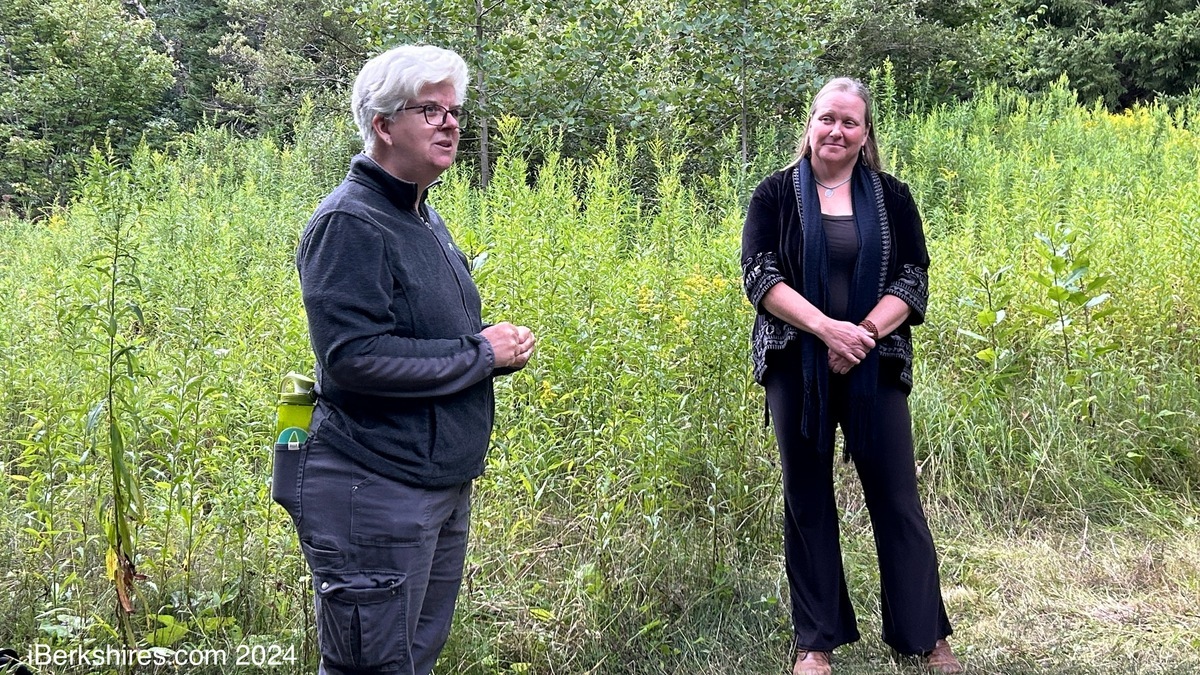
WINDSOR, Mass. — Aimee Gelinas and Daniel Cohen have led hikes and other programming at Tamarack Hollow Nature and Cultural Center for more than a decade.
Now an upcoming educational center will create new opportunities to connect people with the natural world and the folklore traditions that honor it.
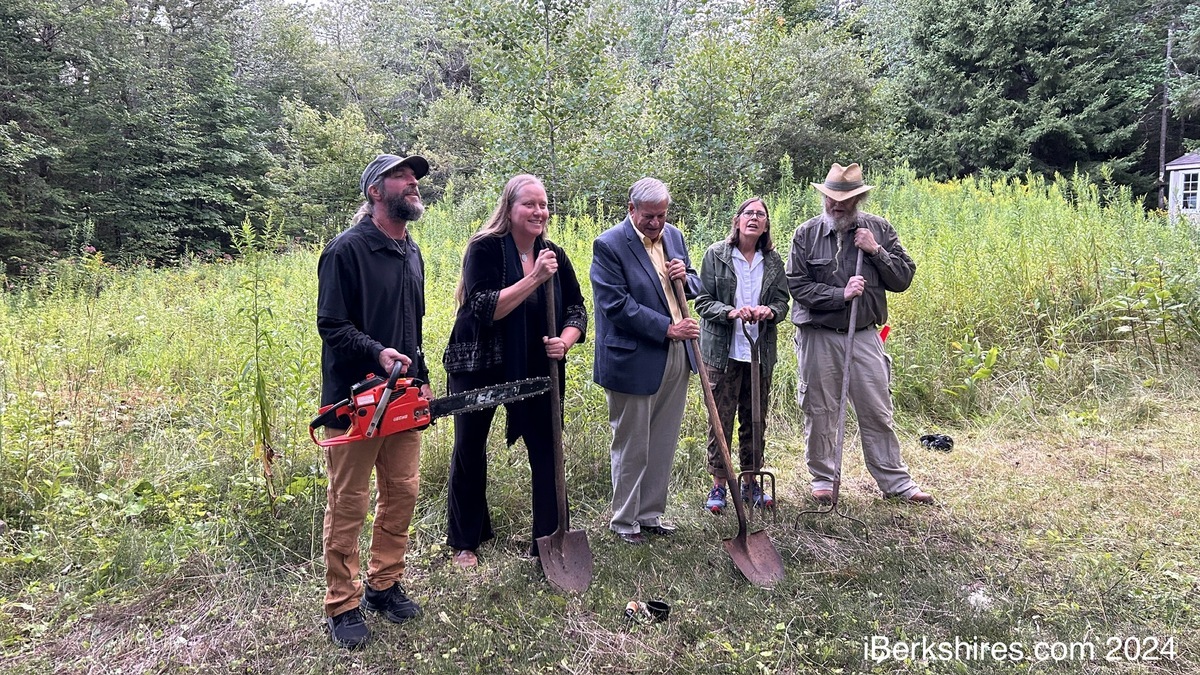
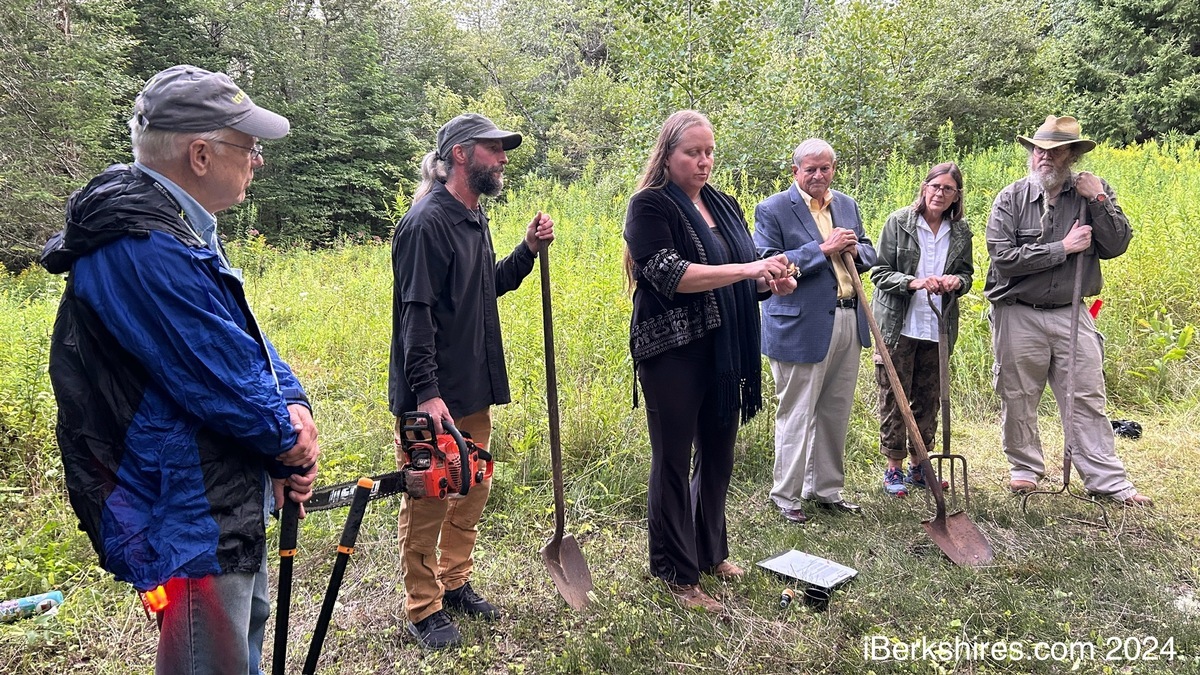
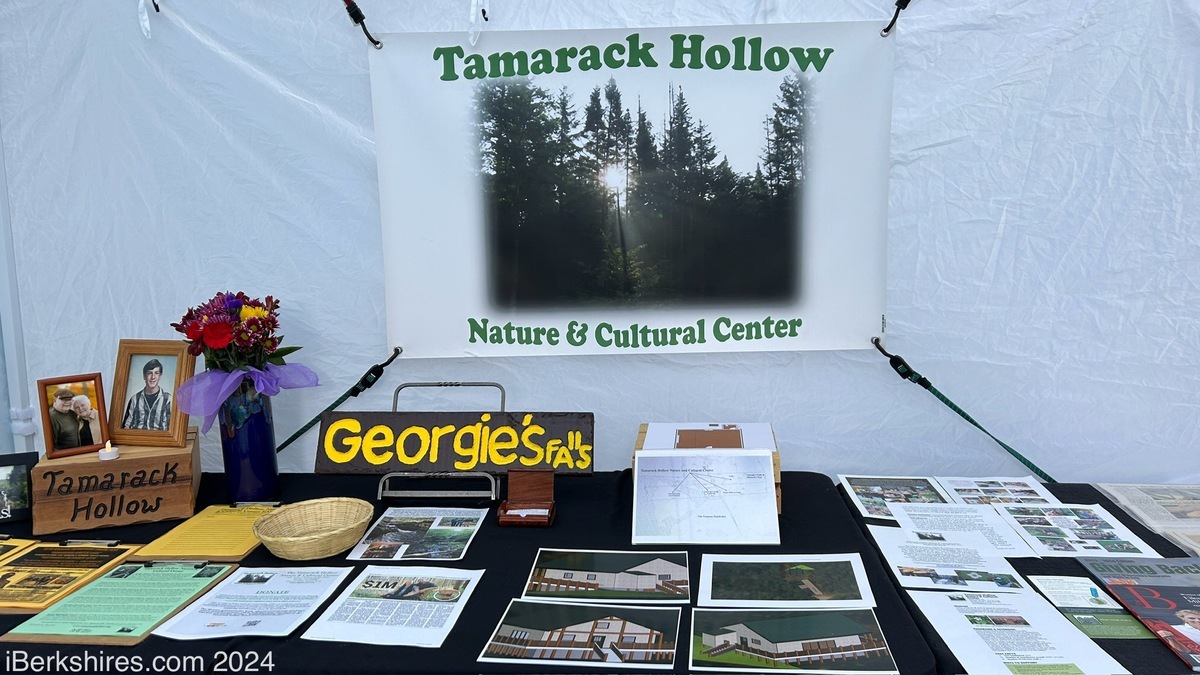
Last week, the nonprofit held a ceremonial groundbreaking for a 900-square-foot wooden structure with a full foundation and a composting toilet. The excavation process began this week, and completion is expected in 2026.
"This is such a big day for Dan and I," Gelinas said. "We have been working hard for this for 10 years."
For Cohen, it is "very gratifying."
"It's been kind of a dream, an idea of ours for a long time and to see it coming to fruition is really amazing," he said.
The organization received a $50,000 matching grant three years ago from the Massachusetts Cultural Council's Facilities Fund in partnership with MassDevelopment. Through donations, they were able to match it.
The center is estimated to cost around $200,000 and fundraising efforts continue.
Gelinas and Cohen hold guided hikes, snowshoeing, tracking, wild edibles, and plant and tree identification events throughout the year but are limited without a facility to hold indoor programming.
"The building will provide our organization with a much-needed indoor educational space so we can provide programs for schools, teacher training, youth centers, intergenerational programs, lectures, music classes, and more right here on site," Gelinas explained.
"Regardless of the weather."
The conservation and educational nonprofit's mission is to educate about the diverse natural and cultural world through programs for all ages that inspire stewardship of natural, and cultural resources.
With two full-time staff, it serves more than 5,000 people per year.
"We strive to inspire environmental and cultural awareness, appreciation, and stewardship by providing meaningful and engaging year-round educational opportunities for the public through diverse hands-on learning opportunities that connect people's culture and place," Gelinas explained.
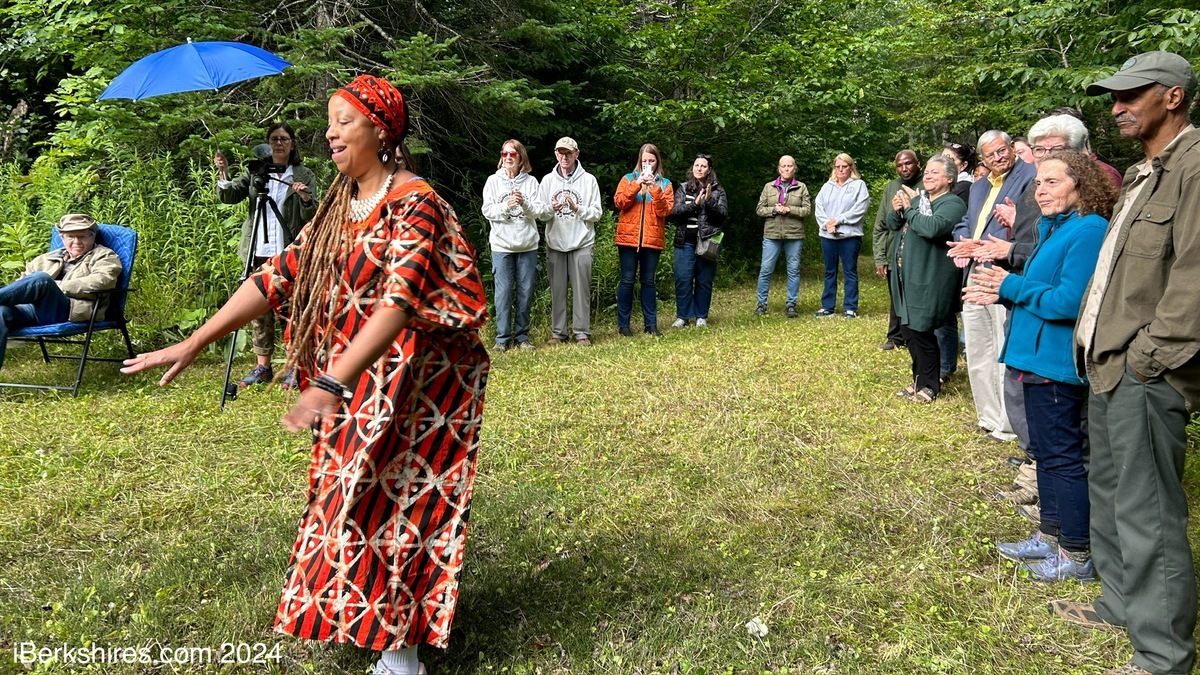
"Our mission is to educate the public about the importance of stewarding our natural world, as well as folkloric traditions from world cultures that intrinsically connect music with the rhythms of the natural world. Through awareness and appreciation of the environment and diverse cultures, we can better understand each other and ourselves."
The nonprofit is also conserving 88 acres of rare boreal spruce fir and hardwood forest. The type of terrain, which includes the balsam fir and red spruce species, only grows in a small pocket of the state, with fields, watershed and a waterfall for future generations of fauna, flora, and people, she said.
They began their journey on the land in the early 2000s and in the last two years, have saved a 30-acre plot, a 26-acre plot, and the waterfall. The trail system is now about a two-mile loop.
Tamarack Hollow's land stretches along the northern border of Notchview, a property owned by the Trustees of Reservations. Julie Richburg, the Trustees' lead ecologist of inland natural resources, said they are amazing neighbors.
She commended Gelinas' work with youth and said the local wildlife thank them for preserving the land.
"This forest is really going to be impacted by climate change. It already is," she said.
"We're going to be able to have this land protected, cared for amazingly well, and using that foundation to teach generations, from drummers to kids to older people, people of all different knowledge levels."
State Rep. John Barrett III said the Legislature does something right when its funds something like Tamarack Hollow.
"I can say our money is well spent in the programs that are being developed here and other cultural organizations not just in the Berkshires but throughout Massachusetts," he added.
"You've done good."
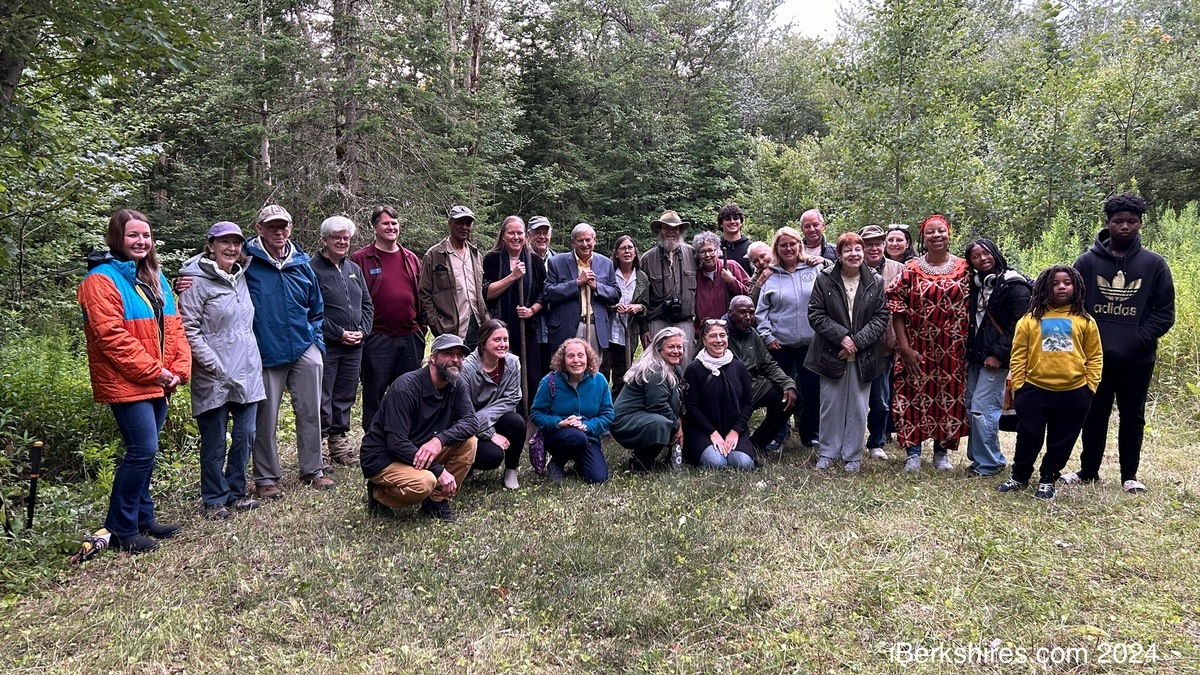
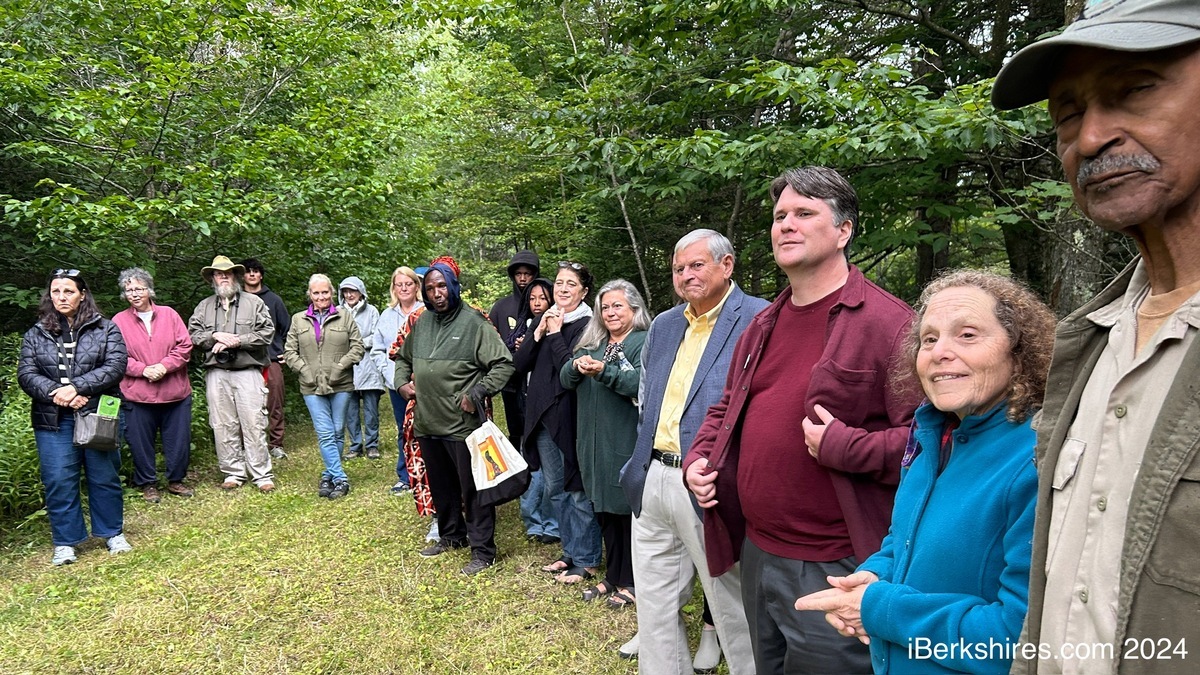
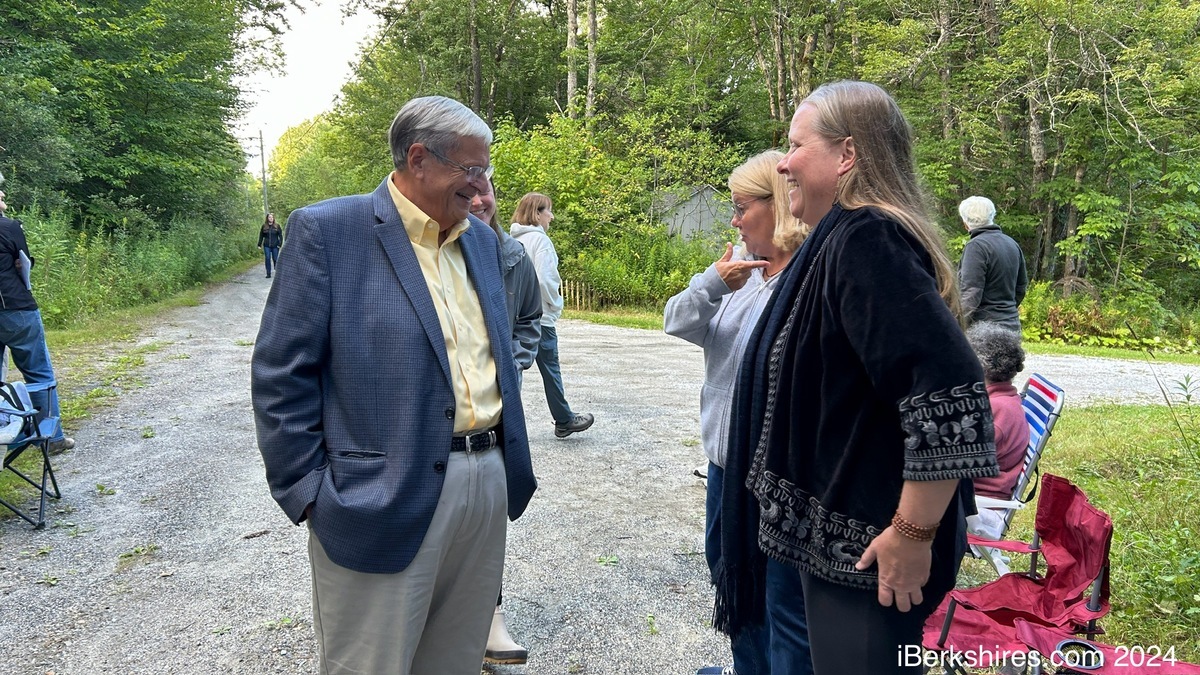
Board members, family, and friends clapped and cheered the nonprofit's milestone.
"You guys were really the foundation, in your own way, of how we got here," Gelinas said.
She dedicated the evening, Aug. 21, to her beloved parents because of their unwavering support and belief in this project from the beginning. The next day would have been their 60th wedding anniversary.
Nephew and godson Matthew Gelinas was also commended for his work on the property as an intern for the last several years.
Tags: conserved land, groundbreaking, outdoor recreation,