Peru Selectman Pays $3K Penalty for Conflict of Interest
PERU, Mass. — A Select Board member has been fined $3,000 for helping create a paid town job he intended to apply for, and then worked in.
Edward Munch has paid a $3,000 civil penalty for violating the conflict of interest law by participating in creating the paid maintenance position he intended to apply for and then working in the new job while still on the Select Board. The State Ethics Commission approved a Disposition Agreement in which Munch admitted to the violations, paid the civil penalty, and waived his right to a public hearing.
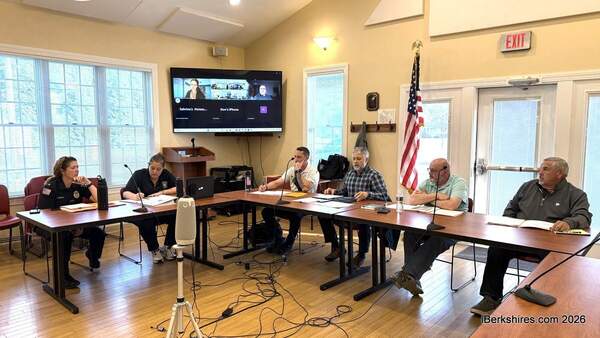
During a December 2024 Select Board meeting, Munch asserted the need for a maintenance person at Town Hall. The need for the position was discussed at the following meeting and Munch said he would like to apply for it. During subsequent Select Board meetings, Munch continued to participate in discussions relating to the position, including its job description, schedule, and pay rate. The Select Board ultimately approved the position, with Munch abstaining from the vote.
After the maintenance position was publicly posted in the summer of 2025, Munch applied for it. He and another candidate were interviewed by the two other Select Board members, who subsequently voted to appoint Munch to the position.
Munch worked in the position, which remained under the supervision of the Select Board, until March 2026, when he left the position after being notified the State Ethics Commission was investigating the matter. He earned just over $3,000 in the position.
The conflict of interest law prohibits municipal employees from participating in their official capacity in matters in which they have a reasonably foreseeable financial interest. Although Munch abstained from voting on the maintenance position, he violated this prohibition each time he discussed the position substantively as a Select Board member. Munch also violated the law's prohibitions against municipal board members serving in positions appointed by and under the supervision of their own board and its prohibition against municipal employees holding a financial interest in a contract made by the municipality.
"When an elected public official encourages and takes part in government actions they know will create an economic opportunity for themself, the public has cause to ask whether those actions served the official's personal financial interest rather than the public interest," said State Ethics Commission Executive Director David A. Wilson. "Not engaging in such self-serving conduct is essential if elected officials are to build and maintain public confidence in the integrity of their public service and avoid the serious negative consequences of violating the conflict of interest law."
The commission encourages public employees to contact the its Legal Division at 617-371-9500 for free advice if they have any questions regarding how the conflict of interest law may apply to them.
Tags: conflict of interest,