MassDOT Board Approves Five-Year Capital Plan
BOSTON — The Massachusetts Department of Transportation (MassDOT) Board of Directors approved the Fiscal Year 2027-Fiscal Year 2031 Capital Investment Plan (CIP), a strategy to modernize transportation infrastructure, improve safety and reliability, create jobs and support economic growth across Massachusetts.
The $20.7 billion five-year plan includes $4.4 billion in investments supported by Fair Share revenues and will fund critical improvements to roads, bridges, culverts, rail, and transit infrastructure, while helping advance major projects across the state. The plan also includes other significant investments in the MBTA, Regional Transit Authorities, municipal transportation programs, and bicycle and pedestrian infrastructure.
"The Fiscal Year 2027-Fiscal Year 2031 Capital Investment Plan reflects our commitment to building a safer, more reliable and seamless multimodal transportation network for everyone who lives, works and travels in Massachusetts," said Interim Secretary of Transportation and MBTA General Manager Phillip Eng. "The Healey-Driscoll Administration and the Legislature have continued to make significant investments that have allowed both MassDOT and the MBTA to enhance and expand service, strengthen capacity and technical support for municipalities, and continue to ensure that we are able to execute infrastructure and transit projects that help impact the quality of life for our residents, businesses and visitors. These investments will support economic growth, improve mobility and help ensure that communities across the state can thrive."
Program highlights of the final Fiscal Year 2027 – Fiscal Year 2031 MassDOT CIP include:
- $7.1 billion for the Bridge Program, which includes than 300 projects to replace, repair, and preserve both large and small bridges, including through the Funding for Accelerated Infrastructure Repair (FAIR) initiative for municipally owned bridges.
- $2.1 billion for the Roadway Reconstruction Program to modernize roadways and improve safety, mobility, and resiliency.
- $2.0 billion for Chapter 90 and other municipal grant programs, including the Complete Streets, Shared Streets and Spaces, and Local Bottleneck Reduction grant programs, along with the new Community Culverts grant program.
- $1.77 billion in investments for the MBTA, supporting projects such as new Red and Orange Line vehicles, new Arborway bus maintenance facility in Boston, new bi-level commuter rail coaches, power system upgrades, station accessibility improvements, and other modernization activities.
- $1.3 billion for the Interstate, Non-Interstate, and Municipal Pavement Programs for smoother, safer highways and roads.
- $746 million for Intersection Improvements and Systemic Safety Improvements to address top crash locations and protect vulnerable road users like pedestrians and bicyclists, including $75 million to address wrong way driving prevention and detection.
- $731 million for investments in bicycle and pedestrian infrastructure, including expanding the network of shared use paths, improving sidewalk conditions, and adding bicycle lanes.
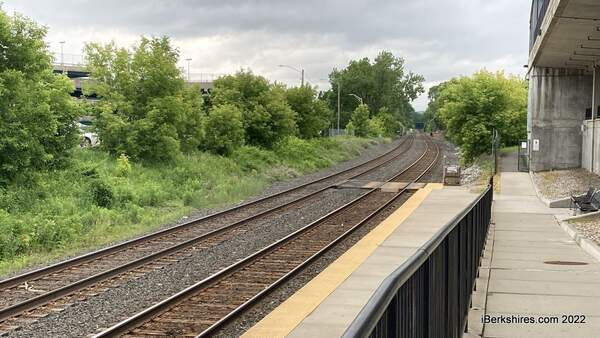
- More than $500 million to maintain, modernize, and expand rail infrastructure, beyond investments in the MBTA, including more than $200 million for West-East Rail.
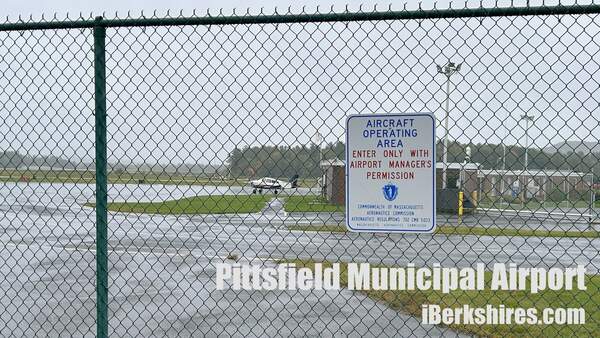
- More than $340 million for investments in the state's municipal airports and the Registry of Motor Vehicles along with significant funding for rural and small communities, including technical assistance resources and funding for unpaved roads, to support the unique transportation challenges of rural and small towns throughout the state.
- $198 million to support the capital needs of the 15 Regional Transit Authorities (RTAs) and an additional $124 million to provide grants to non-profits, councils on aging, and RTAs to purchase vans to provide transportation for older adults and persons with disabilities.
MassDOT's CIP includes spending for major multi-year investments across the Commonwealth, such as the replacement of the Cape Cod Bridges, the Allston Multimodal Transportation Project, and Compass Rail, (which includes West-East Rail).This CIP also includes funding to advance design for improvements at two major safety and congestion hotspots: the Storrow Drive Tunnel in Boston and the I-93/I-95 interchange in Woburn and Reading.
Additional significant highway projects funded by the final CIP include:
- Bridge replacements on I-495 and Industrial Avenue in Haverhill and Methuen.
- Rourke Bridge replacement in Lowell.
- General Edwards Bridge replacement in Lynn and Revere
- The I-195 to Route 18 Interchange Rehabilitation Project in New Bedford.
- Replacement of the North End Bridge in Springfield and West Springfield.
- Bridge replacement on I-391 over Chicopee Street (Route 116) in Chicopee.
- Ongoing I-90/I-495 interchange improvement project in Hopkinton and Westborough.
- Hall-Whitaker Drawbridge and Kernwood Avenue Bridge replacements in Beverly and Salem.
The plan was informed by a public engagement process that included feedback from municipalities, regional planning agencies, transportation advocates, stakeholders and residents from across the state. The Fiscal Year 2027-Fiscal Year 2031 Capital Investment Plan also reinforces MassDOT's commitment to the principles of Beyond Mobility, the Commonwealth's long-range
You can find the Fiscal Year 2027-Fiscal Year 2031 Capital Investment Plan on the MassDOT website here www.mass.gov/
Tags: MassDOT,