Dalton Police Facility Report Complete; Station Future Still Uncertain
DALTON, Mass. — The Public Safety Facility Advisory Committee's final report is complete but the future of the station remains uncertain.
Several members of the committee attended the Select Board meeting last week, as co-Chair Craig Wilbur presented four options delineated in the presentation — build on town-owned land, build on private land, renovate or repurpose the existing buildings, and do nothing. The full report can be found here.
According to the report, addressing the station's needs coincides with the town facing significant financial challenges, with rising fixed costs and declining state aid straining its budget.
These financial pressures restrict the town's ability to fund major capital projects and a new police station has to compete with a backlog of deferred infrastructure needs like water, sewer, roads, and Americans with Disabilities Act compliance.
In June 2024, Police Chief Deanna Strout informed the board of the station's dire condition — including issues with plumbing, mold, ventilation, mice, water damage, heating, and damaged cells — prompting the board to take action on two fronts.
The board set aside American Rescue Plan Act funds to address the immediately dire issues, including the ventilation, and established the Public Safety Facility Advisory Committee to navigate long-term options.
Very early on it was determined that the current facility is not adequate enough to meet the needs of a 21st-century Police Facility. This determination was backed up following a space needs assessment by Jacunski Humes Architects LLC.
The assessment found that, to meet state requirements, the station would need 12,500 square feet and 1.5 to 2 acres of buildable land for a single-story facility with a sally port. The current facility can not be renovated to meet these needs because it has 4,860 square feet.
Of the four options outlined in the report, town officials have previously expressed favor of building on town-owned land, the only downside is the only town-owned property that meets the needs would be next to the senior center which has received criticism from some of the neighbors.
Of the four options outlined in the report, town officials have previously favored building on town-owned land.
However, the only suitable town-owned property is adjacent to the senior center — a location that has drawn criticism from some neighbors.
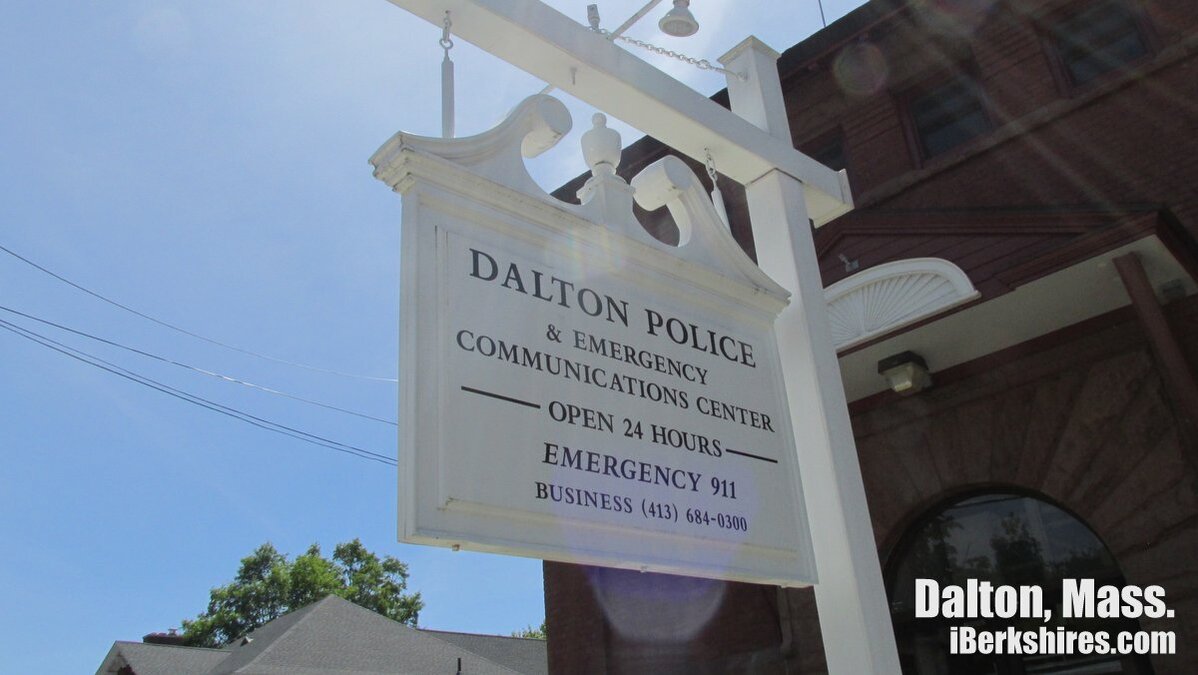
The condition of the station, located in the basement of Town Hall, has been deteriorating for the last 28 years. There have been multiple building committees but the project goes nowhere because people butt heads about the cost and where it should go, Strout previously said.
The architect identified the lot on the senior center as the most viable and cost-effective option.
According to the presentation, the location meets acreage and access requirements, would not require the town to pay for its acquisition, offers strong circulation and visibility, and aligns with current zoning bylaws.
The other option would be to build on private land, which would have an additional acquisition cost.
Based on assessments of 197 Main Street, 514 Main Street, and 726-730 Main and Myrtle Street, the added expense would range from $1 million to $4 million.
Additionally, building on private land would face residential zoning constraints, require demolition or site preparation, and involve potential easements and environmental requirements. It could also impact the neighborhood through increased traffic, lighting, and noise.
Another option would be to renovate or repurpose existing buildings. Locations used for assessments included the current facility, the First Congregational Church school building, and a mansion at 197 Main Street.
According to the presentation, renovations could cost more than new construction and still fail to meet modern police facility standards. Existing structural layouts are incompatible with secure areas and evidence handling, and achieving compliance with the ADA and building codes would require major reconstruction.
The Select Board directed that Town Manager Eric Anderson, Building Superintendent Jeff Burch, and Strout develop a prioritized repair plan with cost estimates to keep the current facility safe and operational in the short term.
Additionally, the board will issue a request for proposals to explore potential private parcel acquisitions. These cost estimates will help better inform voters about the expenses involved in securing a private location for the station.
For many, the least favorable option is to do nothing and defer the issue. This would mean continued use of an unsafe and noncompliant facility, resulting in increased liability, ongoing capital expenses, risk of forced closure, rising construction costs, loss of grant opportunities, and negative effects on recruitment, retention, and public trust.
Tags: Dalton Police, police station,