Berkshires in Mild Drought

Print Story | Email Story

BOSTON — Energy and Environmental Affairs (EEA) Secretary Rebecca Tepper declared worsened drought conditions in several regions of Massachusetts due to limited groundwater recharge this winter. 

The Central and Northeast Regions are now in a Level 3-Critical Drought. The Connecticut River Valley has moved to a Level 2-Significant Drought, and the Western Region is now in a Level 1- Mild Drought. Conditions slightly improved in Nantucket County, which is now at a Level 2-Significant Drought. The Southeast and Cape Cod Regions and Dukes County remain unchanged. 

For Regions in Level 1 – Mild Drought ? 

Residents and Businesses:? 

  • Minimize overall water use;?and, 

  • For larger buildings and businesses, conduct water audits to?identify?areas of leaks and potential water conservation opportunities.? 

Communities/Municipalities:? 

  • Establish a year-round water conservation program that includes public education and communication, taking advantage of the?state’s library of outreach materials;? 

  • Provide?timely?drought and water conservation information to residents and businesses;? 

  • Check emergency inter-connections for water supply; and,? 

  • Develop a local drought management plan (learn more here).? 

Drought is a look back at conditions over a period of time. The Drought Management Task Force (DMTF) collected and analyzed data from August 2024 through the end of February 2026.  
 
Although Massachusetts received up to three feet of snow in February, that snowfall has not yet helped improve drought conditions. Most of that water is still locked in snow because February temperatures stayed well below freezing; the ground was also frozen. Even when it melts, the three feet of snow equals only about two and a half inches of water, which is not enough to fully recharge rivers, lakes, ponds, and groundwater after months of below-average precipitation and overall substantial water deficits. The above-normal temperatures that Massachusetts is now experiencing and the upcoming rains will start to slowly replenish water systems and be reflected in monthly totals for the month of March. 
 
"This drought has been building since 2024, and we're still seeing the effects in low streamflow and lower water levels across the state," said EEA Secretary Tepper. "Even though we had a snowy February, it won't be enough to replenish the groundwater after such a long period of drought. That's why it's important for everyone to be mindful of how we use water. Small actions can help protect our water supply while conditions recover." 
 
As outlined in the Massachusetts Drought Management Plan, detailed monitoring of drought conditions must continue. The drought levels also require ongoing coordination among state and federal agencies to implement drought response actions such as water-use restrictions. Additionally, engagement with municipalities, including local Boards of Health (BOH), is essential. This includes providing technical outreach and assistance to water suppliers and affected municipalities. Residents are asked to report to their local BOH if wells drying up; BOHs are asked to report on the condition of local private wells.

Residents can report dry environmental conditions and?submit?photos to help?monitor?the situation on the?Massachusetts Water Impact Reporter?(here).?Additionally, a?FAQ?is now available for questions?regarding?the current drought status and water conservation; and?private well owners can go here?for information on how the drought?may?impact?them. ? 

The Massachusetts Department of Environmental Protection (MassDEP) will continue to?assist?communities in managing their water systems. The Massachusetts Water Resources Authority (MWRA) water supply system is not experiencing drought conditions.? 



If you would like to contribute information on this article, contact us at info@iberkshires.com.

Community Meeting Addresses Prejudice in Pittsfield Schools

By Brittany PolitoiBerkshires Staff

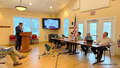
Johanna Lenski, a special education surrogate parent and advocate, says there's a 'deeply troubling' professional culture at Herberg that lets discriminatory actions and language slip by.

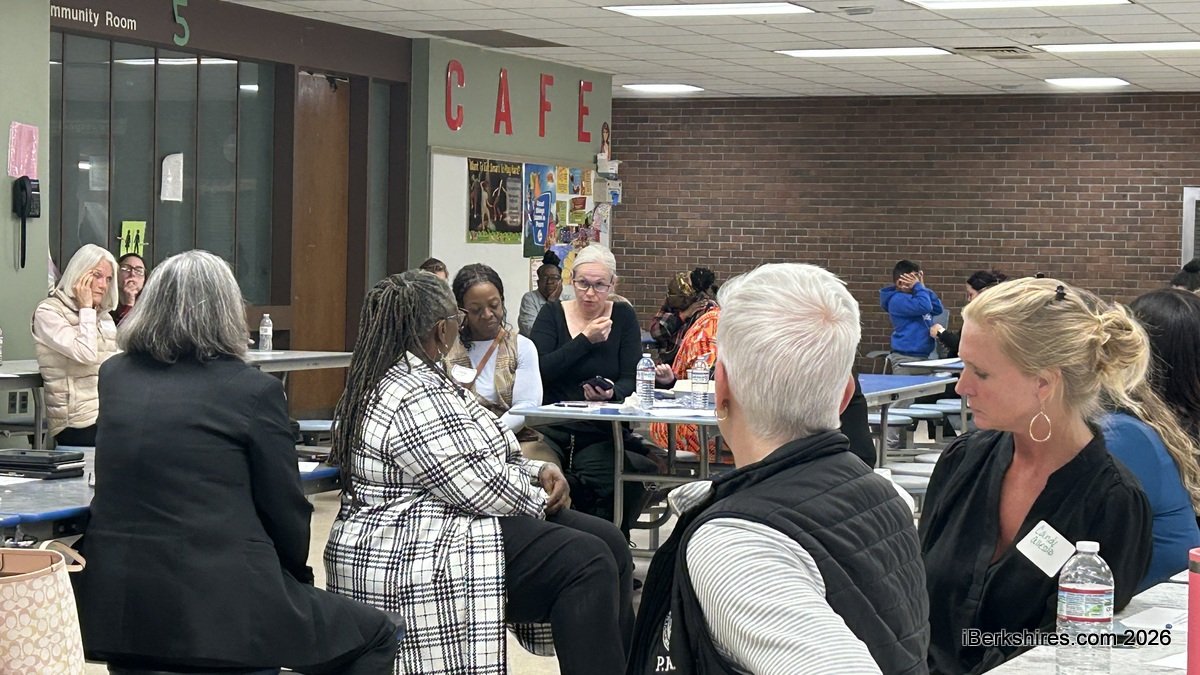
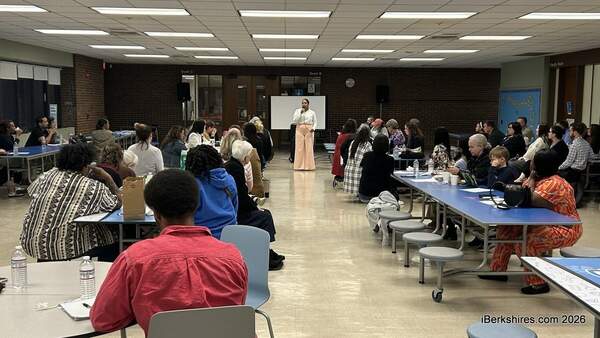
PITTSFIELD, Mass. — Around 60 community members gathered at Conte Community School on Monday night to discuss issues with prejudice in the district. 

The event was hosted by the Pittsfield Public Schools in partnership with the Berkshire NAACP and the Westside Legends. It began with breaking bread in the school's cafeteria, and caregivers then expressed fears about children's safety due to bullying, a lack of support for children who need it the most, and teachers using discriminatory and racist language. 

"One thing I've learned is that as we try to improve, things look really bad because we're being open about ways that we're trying to improve, and I think it's really important that we acknowledge that," interim Superintendent Latifah Phillips said, reflecting on her work in several other districts before coming to PPS last summer.  

"It is very easy to stay at the surface and try to look really good, and it may look like others are better than us, when they're really just doing a better job of just kind of maintaining the status quo and sweeping things under the carpet."

Brett Random, the executive director of Berkshire County Head Start, wrote on her personal Facebook page that her daughter reported her math teacher, "used extremely offensive language including both a racial slur (n-word) and a homophobic slur (f-word) and then reportedly tried to push other students to repeat those words later in the day when students were questioning her on her behavior."

The school department confirmed that an eighth-grade teacher at the middle school was placed on leave.  

The Berkshire Eagle, which first reported on the incident, identified the teacher as Rebecca Nitsche, and the teacher told the paper over the phone, "All I can tell you is it's not how it appears." Nitsche told the paper she repeated the words a student used while reporting the incident to another teacher because officials needed to know it happened. 

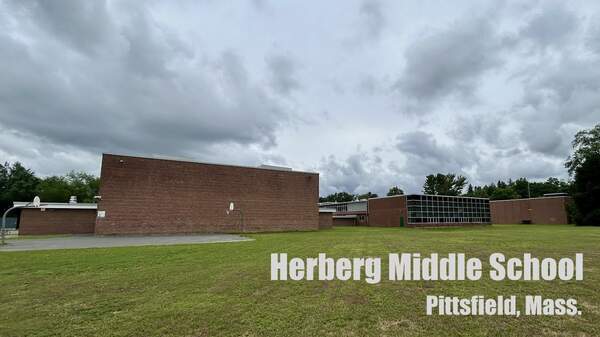
Johanna Lenski, speaking as a special education surrogate parent and parent advocate, on Monday said there is a "deeply troubling" professional culture at Herberg that has allowed discriminatory, racist, non-inclusive, and ableist treatment of students.

She said a Black transgender student was called a "piss poor, punk, puke of a kid," and repeatedly and intentionally misgendered by one of the school's teachers, and then wrongfully accused of physically assaulting that teacher, which resulted in a 10-day suspension. 

Another Herberg student with disabilities said the same staff member disclosed to an entire classroom that they lived in a group home and were in state Department of Children and Families' custody. When the teacher was asked to come to an individualized education program meeting for that student, Lenski said he "spent approximately 20 minutes attacking this child's character and portraying her as a problem, rather than a student in need of services and protection and support."

View Full Story

More Pittsfield Stories