Sweetest Season: Maple Sap Flowing in Massachusetts
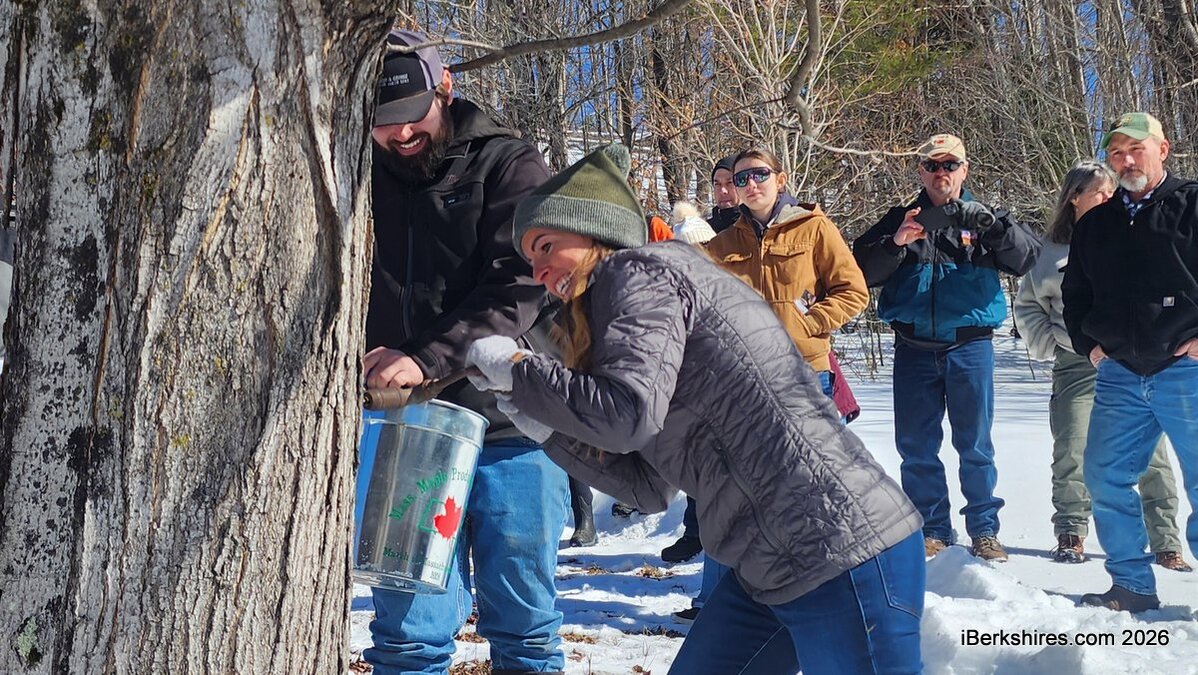
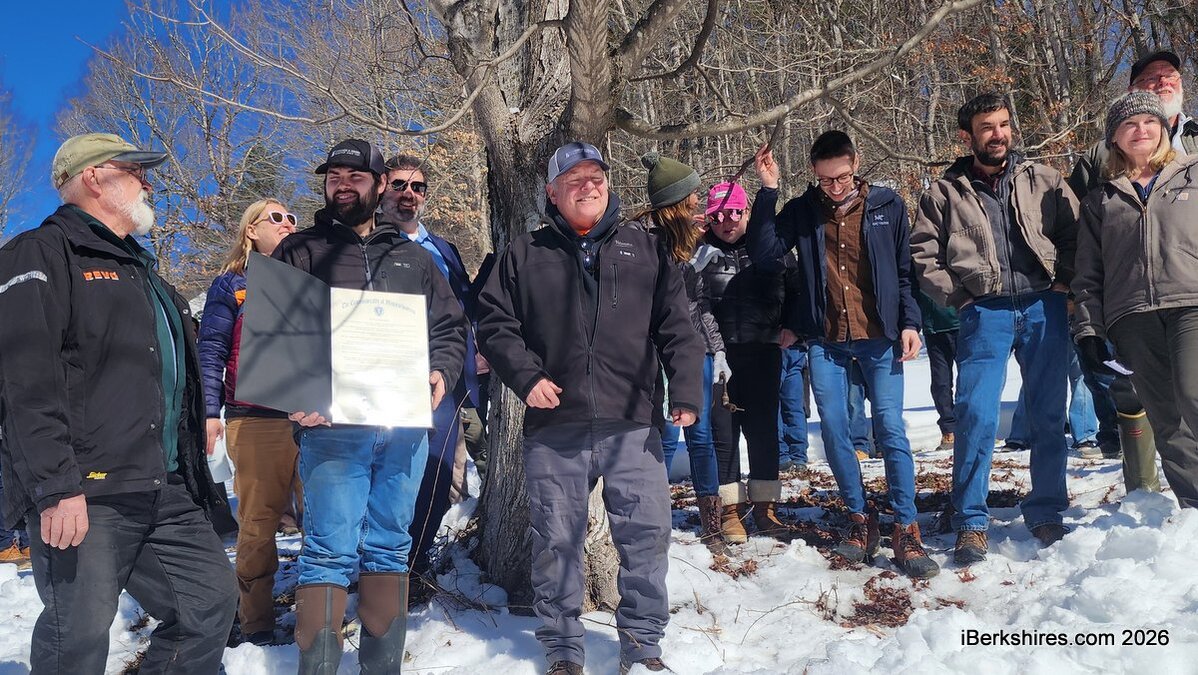
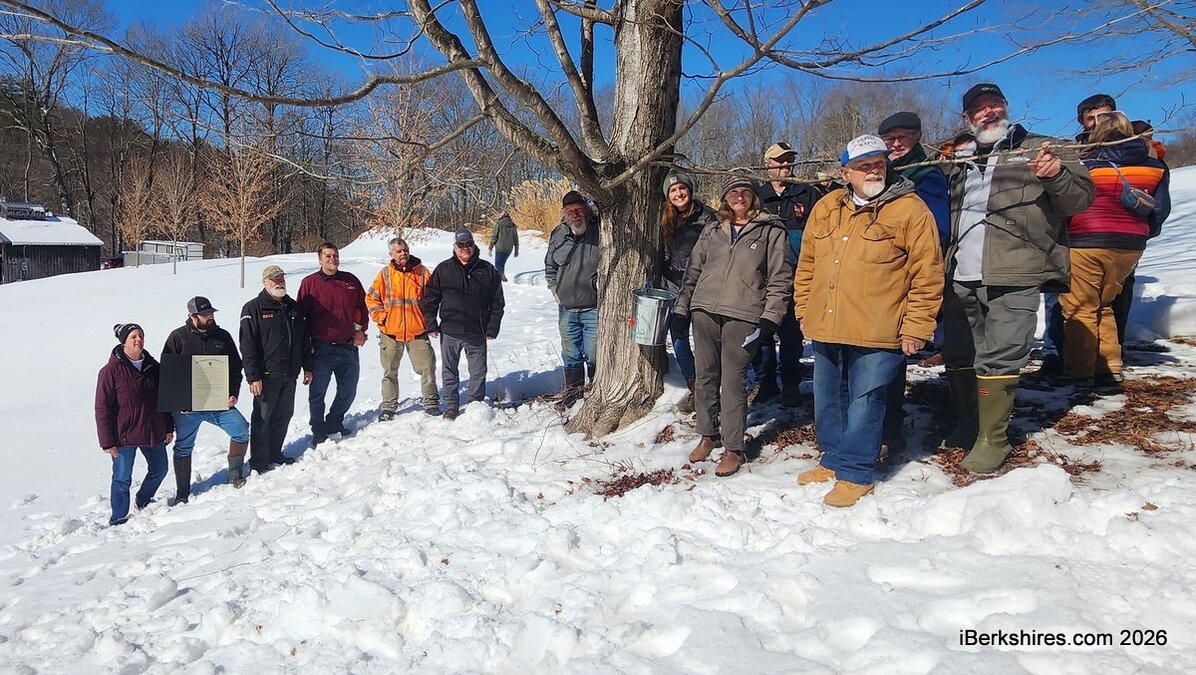
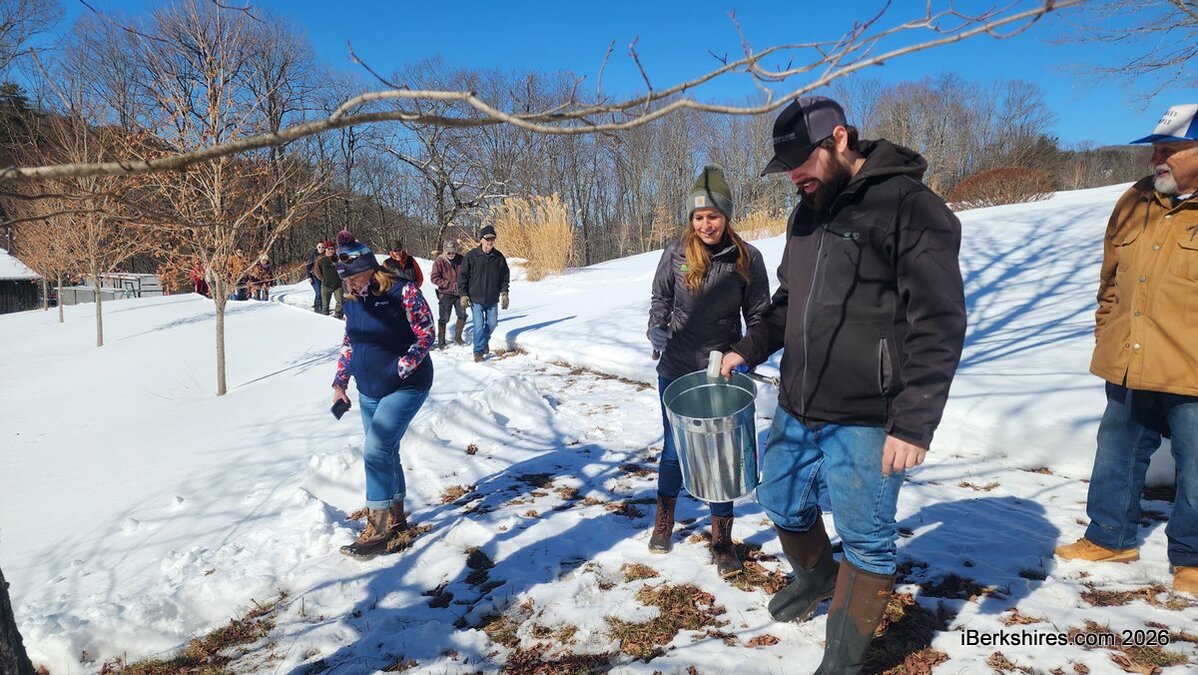
BUCKLAND, Mass. — Surrounded by local maple producers and community members, Agricultural Commissioner Ashley Randle drilled a hole in a maple tree to release a true sign of spring — drops of sap.
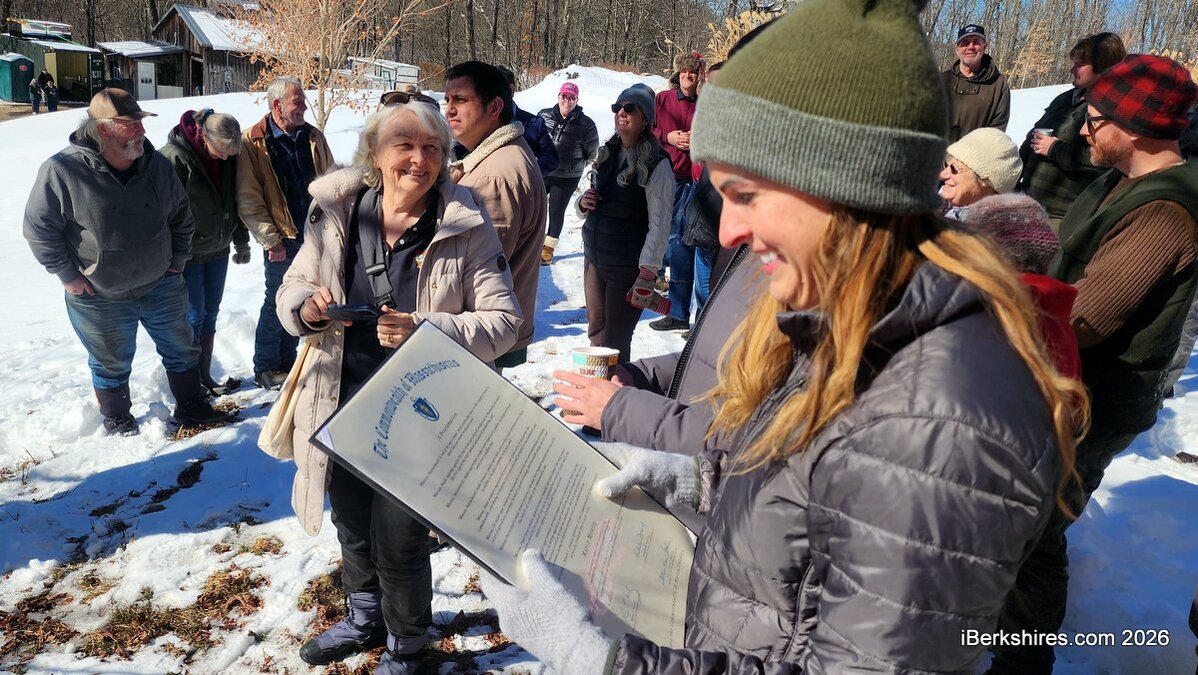
March is Maple Month in Massachusetts and Randle her team traveled to Winston's Sugar House to mark the occasion and read a proclamation from Gov. Maura Healey.
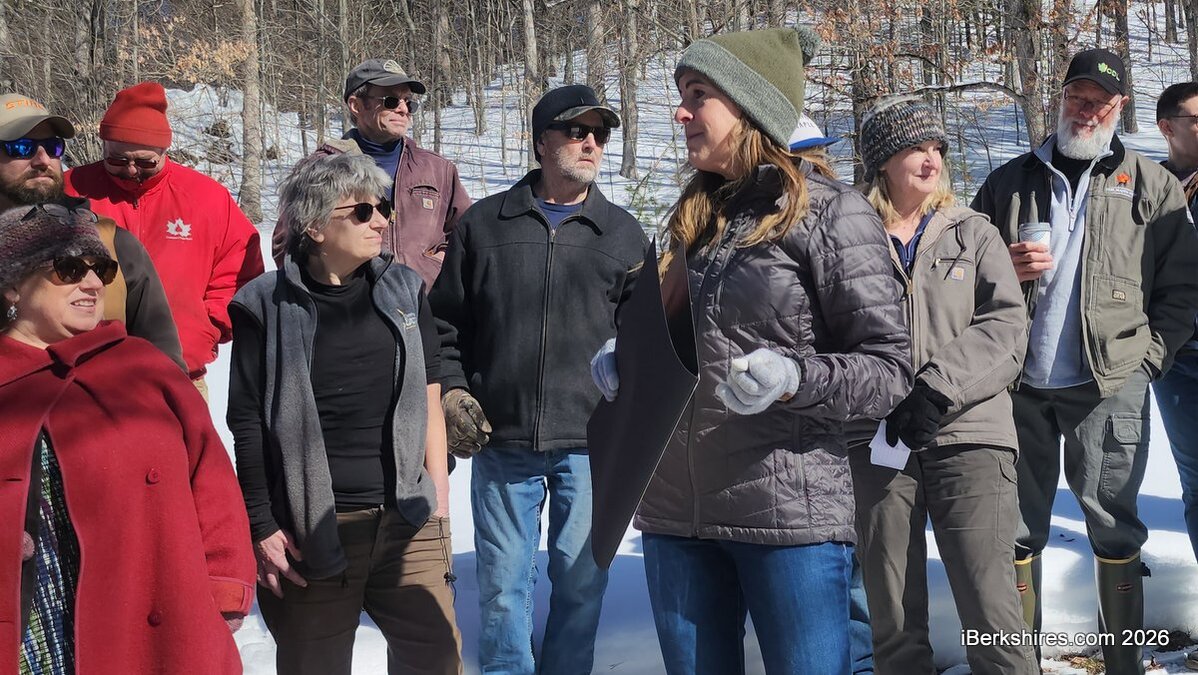
"We were really grateful to be able to get our team members out today and really appreciate the relationship with the maple producers," she said, then reading from the proclamation that "maple sugaring signifies the start of the agricultural production in Massachusetts and is the first sign of the state's annual agricultural awakening."
Massachusetts is one of the top maple-producing states in the country, home to more than 300 maple producers who produce more than 60,000 gallons per year. The sector employs over a thousand people, contributing more than $15 million to the local economy.
Sugar house Hunter Sessions wasn't sure if the sap would flow because the weather has been frigid for weeks and sap needs warm days and old nights. But Friday dawned clear and warming, and the sap dripped, albeit slowly, into the bucket.
Sessions is the latest of at least four generations of maple producers. He learned the business working at age 14 with a second cousin, Howard Boyden of Conway, who recalled how their grandmother would boil sap, and her mother before her, taking a horse-drawn sled into the woods and using a wood boiler.
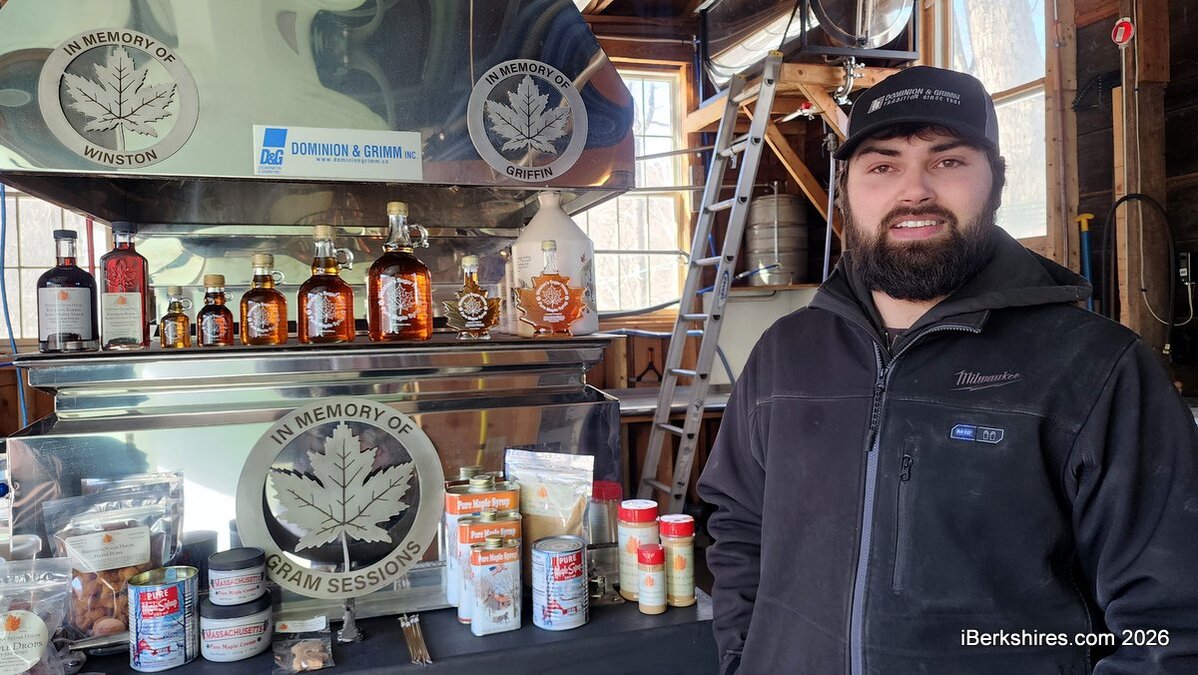
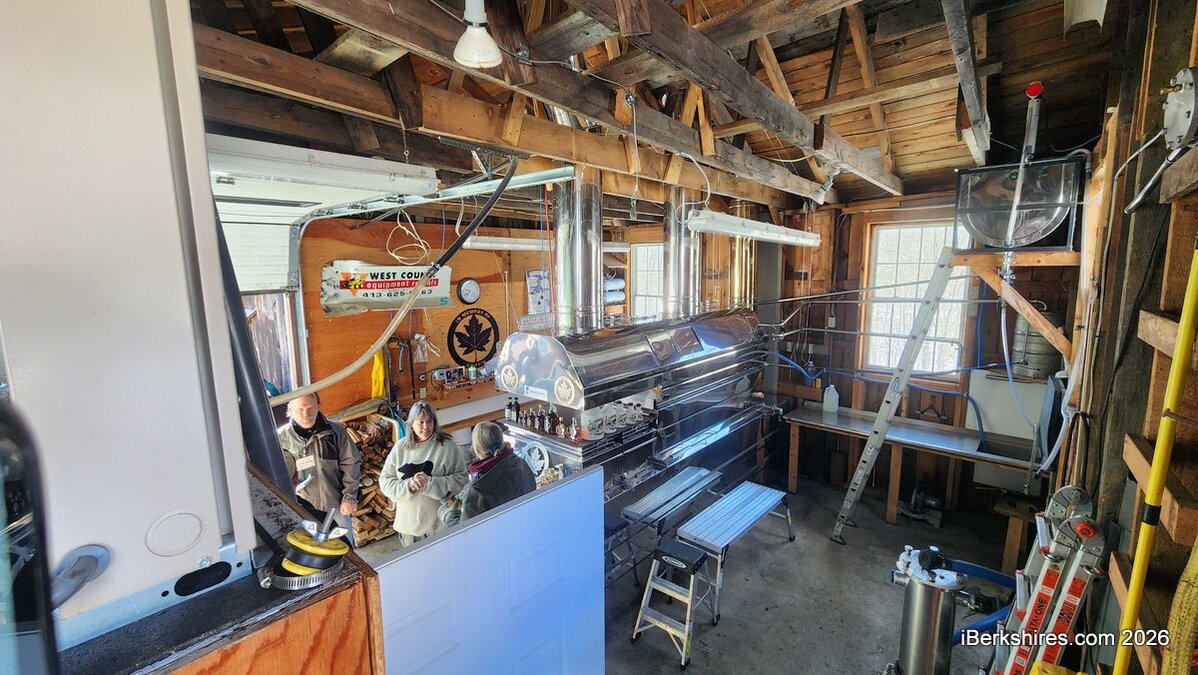
Far different from Sessions' state-of-the-art, shining steel 2020 evaporator that currently processes about 600 gallons a year.
"I fell in love with it with [sugaring], and then asked my father if I could get a loan to buy an evaporator," Sessions said. "And then he fell in love with and it's been lights out since."
He and his father, Craig Sessions, tap about 1,750 trees a season but Hunter is hoping to push that to 4,000 taps next year, with a goal of producing 1,000 gallons a year. It takes more than 40 gallons of sap to make one gallon of pure maple syrup.
"The beauty of it is I work for him, so during the sugaring season, I pretty much take time off," Hunter said. "I use vacation time, and then when we need help, or when we have things going on, he comes up and helps us. And hopefully the business stays running."
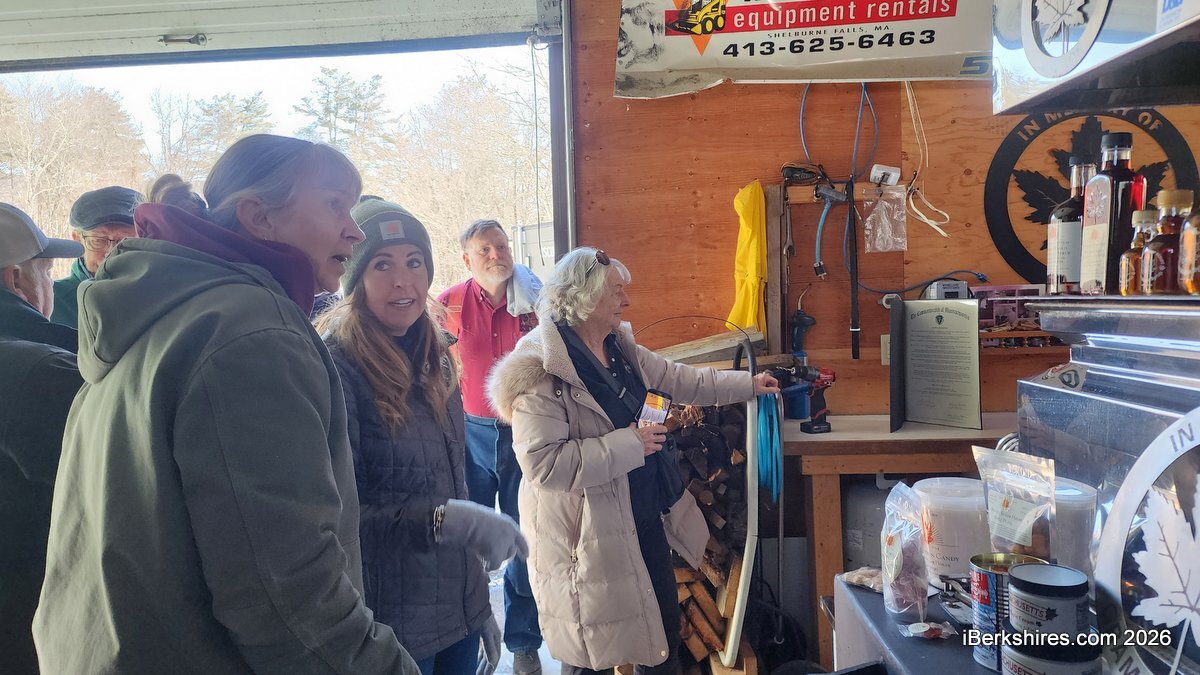
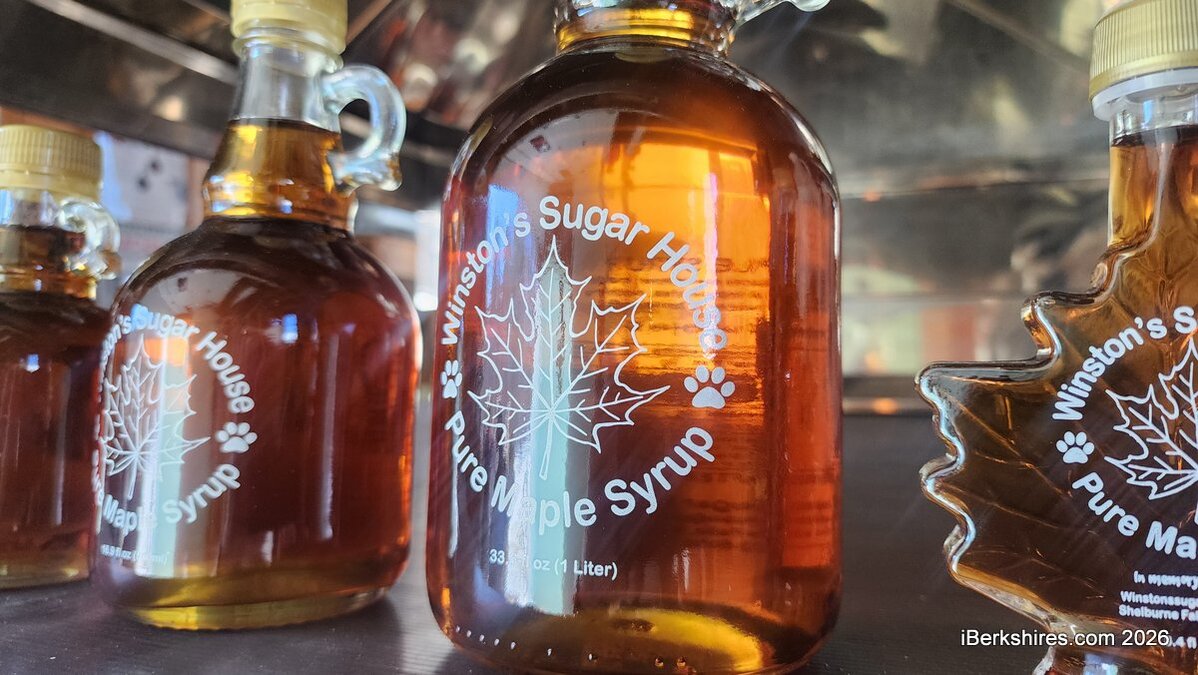
The sugar house is named for his late dog, Winston, and there's two other memorials — one for Grandma Sessions and another for Griffin, a teenage helper who tragically died in an accident.
Winston's Sugar House makes mostly amber and light syrup in variety of products; it's sold locally and by mail order. The branding, of course, has paw prints.
"The overall production of maple syrup in the whole world can't keep up with the growing sales of maple, really," he said. "The rate of growing of syrup sales is almost twice, I believe almost twice, the rate of the production."
The state Department of Environmental Protection estimates maple producers keep about 15,000 acres of working woodland intact and economically viable. And more than 60,000 visitors spend more than $2 million during the sugaring season of March and April.
Farms, restaurants, bed and breakfasts, country inns, and other tourist businesses share this income, primarily flowing into small towns and farm communities, supporting the rural economy, according to Massachusetts Office of Travel and Tourism.
"Agritourism is a major, major driver of getting folks here to Massachusetts," said Julie Arrison-Bishop, director of marketing at MOTT. "A lot of people think Boston and Freedom Trail, but we have such a beautiful wealth of farm and culture and people for folks to meet when they're coming in. And we're just so grateful for all that you do, it gives us something great to promote."
Massachusetts Maple Producers Association President Kim Trust, co-owner of Justamere Tree Farm in Worthington, made the introductions, which also included the governor's Western Mass Director Alicia Elechko.
Missy Leab of Ioka Valley Farm in Hancock, coordinator for the maple association, noted that Maple Weekend is Saturday and Sunday, March 7 and 8, during which sugarhouses around the state will be open for tours and information on the maple sugaring processes and, in some cases, offering pancakes with the syrup.
In the Berkshires, you can visit Ioka, Woodlife Ranch in Williamstown, Holiday Brook Farm in Dalton, and Mill Brook Sugarhouse in Lenox. A full list of participating sugarhouses can be found here.
"Maple Month marks the continuation of a proud Massachusetts tradition built on generations of skill and hard work," said Healey in a statement. "Our maple producers tap local trees, steward working lands, and turn sap into syrup that supports family farms and drives economic activity across Massachusetts. Choosing local maple means investing in Massachusetts jobs, agriculture and heritage."
Tags: maple, MDAR, state officials,