Lanesborough Considers Partnership for Opioid Settlement Funds
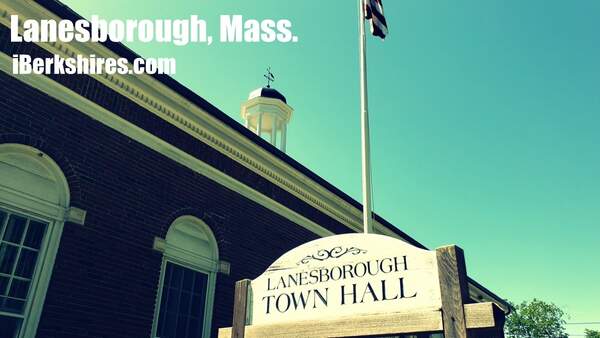
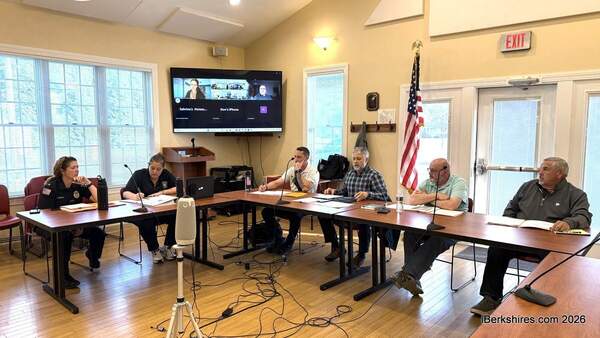
LANESBOROUGH, Mass. — The Select Board plans to partner with the Berkshire Regional Planning Commission and Northern Berkshire Community Coalition for the management of its opioid settlement funds.
Last week, members voted to begin discussion about a memorandum of agreement with BRPC that would facilitate the exploration of programs through NBCC, as well as regional partnerships.
To date, Lanesborough has seen as much as $90,000 from the nationwide financial settlements from various drug companies to address the harms caused by the opioid epidemic. Between July 2022 and March 2024, the town received more than $53,000 in abatement payments.
"We serve the 10 municipalities that we consider Northern Berkshire, so Lanesborough to the Vermont border, Savoy to Williamstown, and everything in between," explained Amber Besaw, executive director of NBCC.
"In a given year, our organization engages or serves residents in the numbers of probably 8,000 to 9,000 of the 40,000 people that sort of make up our region. So we get about a quarter of them."
BRPC's Andy Ottoson, who facilitates the countywide Berkshire Overdose and Addiction Preventing Collaborative, explained that the funds have to be used toward opioid specific supports and youth substance prevention.
BRPC works with eight northern Berkshire municipalities that have signed an inter-municipal agreement, and is directly administering funds on behalf of Hancock and Peru. The planning commission takes care of due diligence items and performs a community assessment to ensure there is input on how the settlement funds are used.
"The other really nice thing about the settlement funds is they aren't time-specific. Obviously, we would all like to see these funds put to good use right away, but there isn't a timeframe on it, so if there's an opportunity to perhaps hold funds back a little bit for an investment that would be longer term in nature, that is allowable by the Attorney General's Office," Ottoson added.
Besaw highlighted NBCC's Northern Berkshire Hub Table, an initiative that started in 2023 to help people at acute risk in the community. The program has served 216 people ages 4 to 78, and a vast majority of those people have thanked them, she said.
"We brought together a lot of organizations and folks across the region, including Lanesborough. Your EMS director and your chief of police sit weekly at our table, and the purpose of this table is to identify folks in the community who are struggling with mental health and substance use disorder and are in need of help because they are likely to have harm either to themselves or others as a result of the experience that they're going through," she explained.
"And so they are identified, brought to the table, and de-identified. We share that information. We go through a whole process. It's a very lengthy process to figure out if this is somebody that we can help. Once we have determined this is a person in need, they are meeting what we call acutely elevated risk, we then open their situation. They are identified by name and address. We figure out who they are, what we can do to help them, and we reach out personally to them within 48 hours to offer them a connection to services and the help that they might need."
Right now, NBCC is the outreach team, and Besaw explained that they have considered hiring a full-time person for this work, as well as supporting local police departments as a community health worker. This is an initiative that settlement funds could go into, given that the community health worker spends about 20 percent of the time working with people involved with opioid use disorder.
Besaw explained that the funds wouldn't all go towards the community health worker, but Lanesborough would be buying into a position that could be accessible to its police and EMS departments.
"We're trying to establish the position, and so right now we're we don't know what that looks like, or even if we'll be the employer or somebody else will," she said.
"It's still an exploration."
In the IMA, the eight municipalities agreed to turn their funds into a pooled account so they can be equal partners, and a volunteer community coalition decides how they are used. By going with a separate MOA, the town gets some flexibility.
Tags: opioid collaborative,