Dalton Candidates Debate Infrastructure, Police Station at Candidate Forum
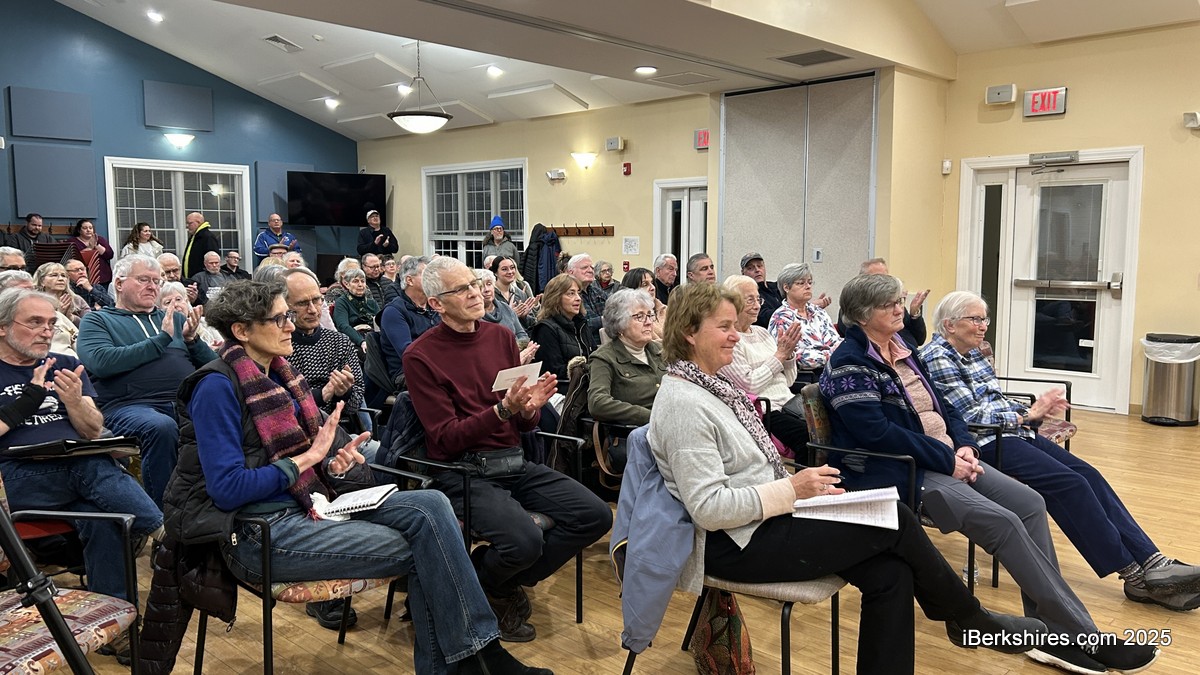
Nearly 90 residents attended the forum at the Senior Center to hear from the candidates.
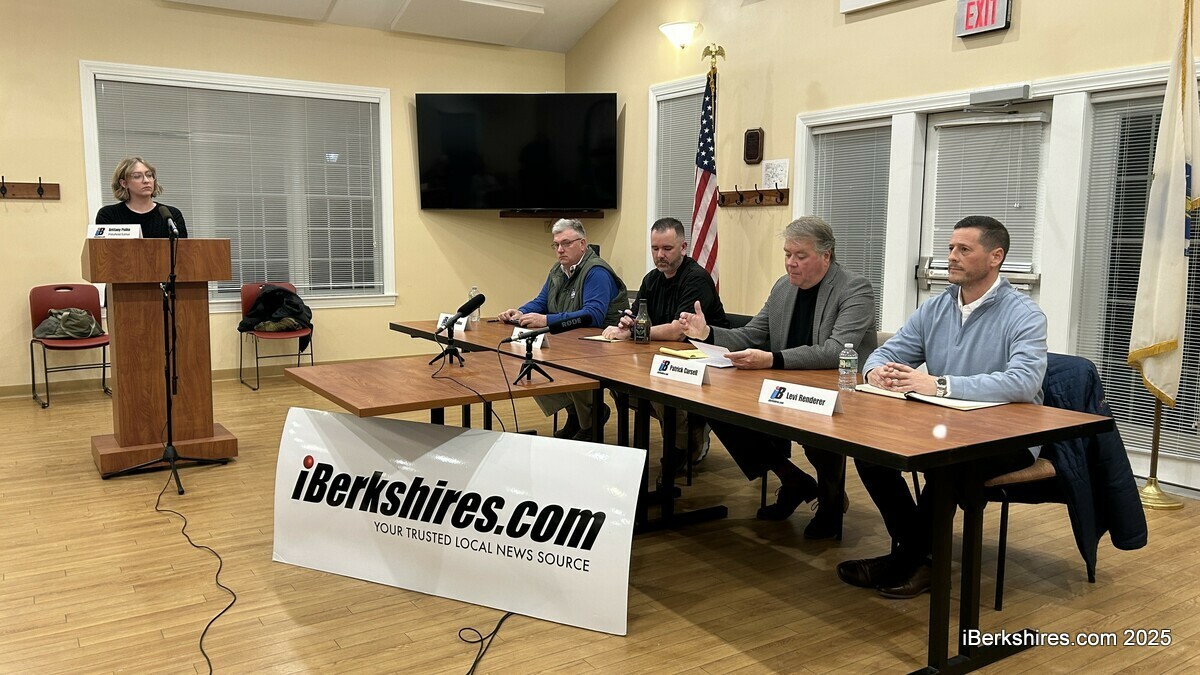
The four candidates on the ballot, Robert Collins, Rich Haley, Levi Renderer and Patrick Carsell appeared at a forum Wednesday night to highlight their perspectives on issues including transparency and collaboration, the condition of the police station, and roads and sidewalks.
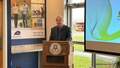
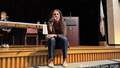
iBerkshires Pittsfield Bureau Chief Brittany Polito asked the candidates questions curated by resident submissions in front of 88 attendees at the Senior Center. The forum was also recorded by Dalton Community Television and is available on iBerkshires' YouTube channel.
The mail-in ballot applications are currently available at the Senior Center, library, and the Town Clerk's office in Town Hall.
The candidates agreed on many of the questions presented to them but split over the composition of town sidewalks.
Carsell said it needs to be further discussed and referred to a report by resident Todd Logan, who has advocated for amending the town's bylaws to mandate the use of concrete for all future sidewalks over the cheaper asphalt alternative.
The Planning Board has established a sidewalk subcommittee to discuss the proposed bylaw further.
"It was an extensive article. He did a lot of research on this matter, and he brought the attention to board, and it would have to be discussed further because I've just had a little sliver of that pie," he said.
Haley said the type of material should be left up to the experts and he would defer a lot of questions to them, including the cost and longevity.
"This answer might be a surprise to you. I actually am an expert on concrete, and I would say blacktop," Renderer said.
Renderer said as an American Concrete Institute-certified concrete tester and a level two National Ready Mix Concrete technologist, "it's all about the quality of the concrete."
"I drove by a bridge in North Adams. It's brand new, and it's already just crumbling apart. I see the craftsmanship and the workmanship of the concrete that we do, and it just crumbles after about a year. So, maybe if I tested all the concrete personally, I would go for that, but the blacktop sidewalks are great," he said.
Collins disagreed and said he would advocate for concrete because he believed when put in properly, with reinforced rebar, they can last 20 to 30 years.
He also referred to Logan's report which mentioned concrete sidewalks in town that are "I think, almost 40 years old" and that you could not get half of that life from blacktop.
"The other reason that I say concrete is it's a proven statistical fact that houses with concrete sidewalks in front of them have a higher appraised value than houses with blacktop," he said.
All four were on board with the need for a new police station, with Renderer saying the current building is not up to OSHA standards and that employees deserve a comfortable workplace because they make townspeople safe.
"Their service is very appreciated, and I think the town definitely should look at that and see what they could do. I'm not sure how you're going to raise the funds for it, but I'd be happy to look into that," he said.
During the discussion, Carsell also emphasized the need for a new police station, which became further evident after he took a "lengthy tour" of the facility. To mitigate the cost to taxpayers, he recommended that the town utilize a 40-year bond with a low interest rate.
Haley encouraged residents to watch the videos showcasing the station's condition and take a tour of the facility to see it for themselves.
He mentioned how the town is undergoing a feasibility study.
In September, the Select Board allocated up to $100,000 from the American Rescue Plan Act funds to cover the study and grant writing cost. Jacunski Humes Architects LLC of Berlin, Conn., selected to conduct the study, will assess what is needed for an efficient and accredited public safety facility at each site.
This will include cost estimates and consideration of scenarios such as building a new facility on a green site, remodeling an existing building, and demolishing and rebuilding potential sites.
"Obviously, we have to look into ways to mitigate the taxpayer burden and then, that's what it's going to be all about. It's about taking care of our town employees and also taking care of the residents who have paid for that," Haley said.
"I feel if we make sure we take care of our police force, they're the ones that keep this community safe, and we want to make sure that we can give them exactly what they're giving us."
Collins said he was amazed at how efficiently the department runs despite the conditions the officers and employees are working in.
The town should explore all local, state, and federal funding for the facility because grants do not bring in that much, he said.
"If we come back and we end up with $2 million, $4 million [or] $5 million of generated monies to be put towards our new police station, then it has to go to the taxpayer for an annual vote to see if the taxpayers in our town is willing to fund the balance of that department," he said.
"If not, then we need to start planning a five or 10-year plan, which we all know we don't want to wait that long for a new police department. But if it comes to that, we need to think hard and come up with plans financially that we can start setting monies aside annually to support the new police station."
Another popular sentiment was the need to address the state of the town's roads and infrastructure.
Carsell briefly mentioned this in his opening statement and had a chance to emphasize this further during several questions.
Prioritizing roads starts with input from residents, he said.
"You need to bring it to the attention of the Select Board members, the one who's going to be open and willing to take your phone call, and that would be me, and I would make a list. I would examine that road personally," Carsell said.
"I would examine that road personally, three-quarters of the roads in Dalton I drive on a regular basis throughout the year. I would say there’s some that I don't know about that are in poor condition. Well, that has to be brought to our attention, and then we would collaborate, assess, go out, and check these things out."
He demonstrated this, showcasing how he swerves to avoid six potholes while driving through town, and emphasized that this problem can result in someone getting injured.
Collins said the town should go out and assess the roads and the stormwater sewer systems because many roads deteriorate because of water issues.
He advocated for being proactive and having "project ready" assessments and engineering done ahead of time so that when state or federal funding becomes available, the town can take advantage of that.
He also suggested grading the roads on a scale of 1 to 10 for every half-mile segment to get a detailed understanding of their condition.
The town has undertaken a streetscan study, which shows the level of travel and condition of the roads. The study showed that Dalton had a large number of streets in poor or serious condition.
Renderer highlighted how the town should look at how the city of Pittsfield addressed its roads. He demonstrated how the city conducted a street scan that mapped all the roads in the city and ranked the severity with with colors.
Haley said the board needs to work with the highway department to prioritize which roads to repair first based on their traffic volume and overall condition. He also emphasized the importance of developing a comprehensive plan for repairs over the next five to 10 years.
When talking about how to mitigate costs on taxpayers, Carsell said he does not know a definitive answer to that but said he does know that several needs in the community need to be addressed, including the police station, sidewalks, and roads.
Check out the video on our Youtube channel to learn more about the candidates' perspectives on topics like mitigating costs to taxpayers, the future of the fire district, and more.
Tags: candidate forum, election 2025,