MCLA's Essential Needs Center Ensures Student Don't Go Without
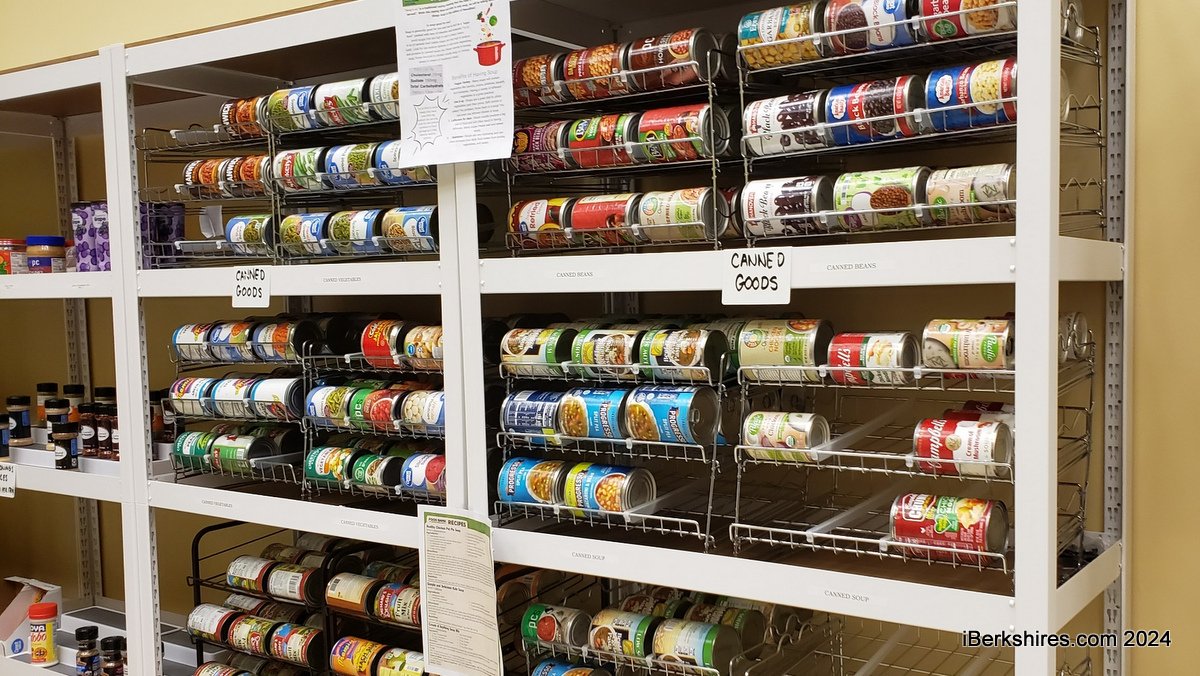
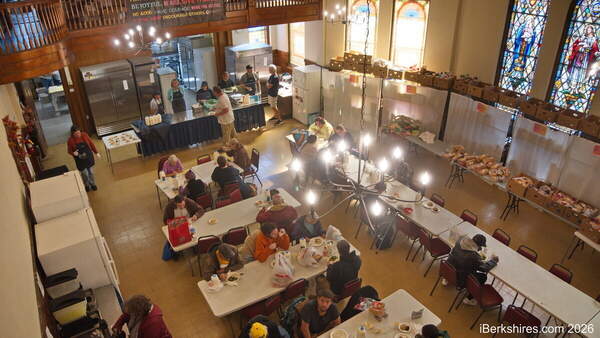
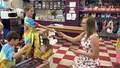
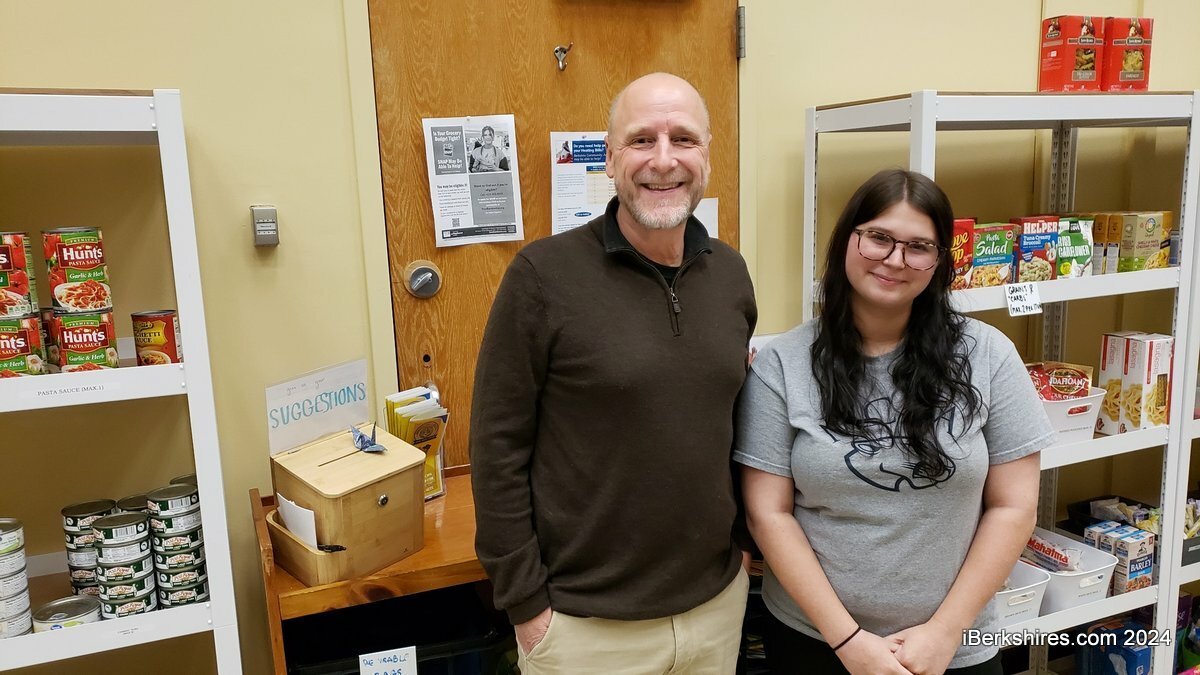
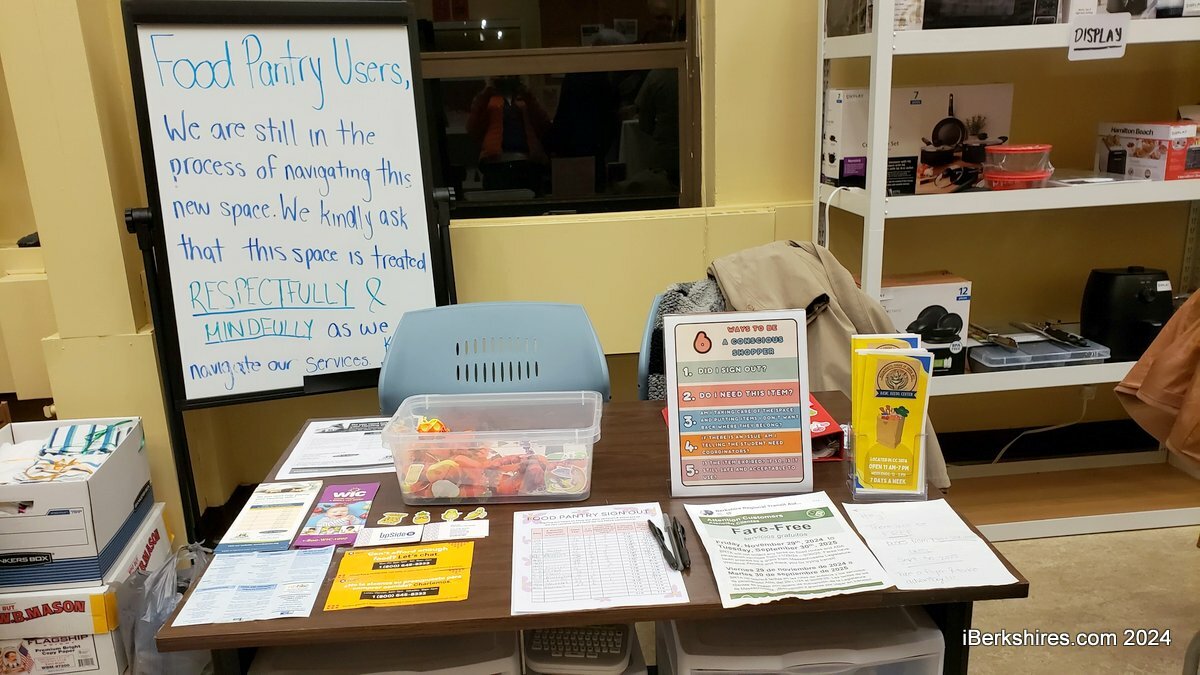
The center offers canned and refrigerated foods as well as meals-to-go and kitchen implements.
Massachusetts College of Liberal Arts is ensuring that students have resources when they're running low on necessities like food and care items.
That's how first-year student Isabella Fuller ended up working at the Essential Needs Center, or ENC, in the Amsler Campus Center.
"I actually reached out to Spencer [Moser, the coordinator] because I needed help receiving some items that I couldn't get a hold of — I live far away from home," she said. "He was great, and he let me know about this opportunity that he had posted to work with the center. And so I applied for that, and I was able to get going with that —here I am. I love it."
Moser, director of the MCLA Volunteer Center, said the center had started out smaller but has since grown to include a wide range of products —from small appliances and storage containers to frozen dinners to personal care items. His budget has a small allotment that's supplemented by grants and by membership in the Food Bank of Western Massachusetts.
The ENC is designed to support students who may be struggling economically, whose meal plans can't quite cover the month or who also may be missing meals because they're commuting, working multiple jobs or participating in sports.
"This does not replace a meal plan, that's really important. It just supplements," said Moser. "It's an emergency."
He said this fall there were about 400 to 500 repeat students. The center offers canned and refrigerated foods, meals, clothing, small appliances, kitchen and storage supplies, and personal care items for free.
"There are people who come in every day," Fuller said. "It is a space designed for the students. They can come in, you can see that there's just food on the shelves. There's so much food. You have hygiene items. You have ready-to-go meals for students that need to be on the go. You have a bundle program where you can apply for so many different things that you need."
The trustees had their reception at center after their December meeting as President James Birge thought it important for them to see the kind of work the college is doing to provide resources to the student body.
"We have commuter students who don't live here and they don't have a meal plan, but they're food insecure. We know that about 38 percent of students nationally —and that's about the case here —are food insecure," he said. "But it's also the case for students who do have plans, but who might not be able to be here during hours of operation, athlete students participating in performing arts, they may not have the access to the dining services."
Sometimes people need a winter coat, Birge said, because they may come from a region that's not attuned to New England winters.
"It's a place for student leaders to exercise some of their leadership," he said. "[Moser] can't run it alone. So student leaders really take the mantle of this and make sure that people know about it. They manage the food so that things that are out of date get pulled off, things that need to be added ... so it's a good opportunity for students who may not have food insecurity that want to do something about that and so it's a great student leadership opportunity for them as well."
Tags: MCLA,