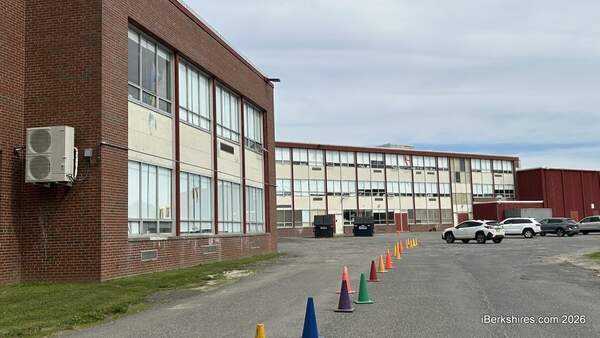
My issue is that the numbers just don't add up. [Grades] preK to 2 numbers are trending down. MCAS scores are down. The amount of surplus property the city owns is growing.
Disingenuous people sending their children to private schools while claiming the need for a new school. Additional burden to taxpayers for the need of a new public safety complex.
Sitting city councilor profiting from his documented pro new school position. The omission of up-to-date enrollment numbers.
City employee running a private business in a public building that NAPS oversees. A member of the School Committee that has voted for increases to his employer's bus contract. (Editor's note: the member recused themself. )
These numbers just don't add up for me.
What does add up is the average of $270 a year increase to my tax bill.
Multiply that by four for me, $1,100 a year, on average ... and it's not going to go down.
Those numbers add up to me.
When McCann Tech comes calling for an increase in the upcoming years that will add on as well.
Maybe I'm out of my mind but I'm not willing to subsidize a 30-year mortgage for a declining enrollment.
If you would like to contribute information on this article, contact us at info@iberkshires.com.
Your Comments
iBerkshires.com welcomes critical, respectful dialogue. Name-calling, personal attacks, libel, slander or foul language is not allowed. All comments are reviewed before posting and will be deleted or edited as necessary.
No Comments
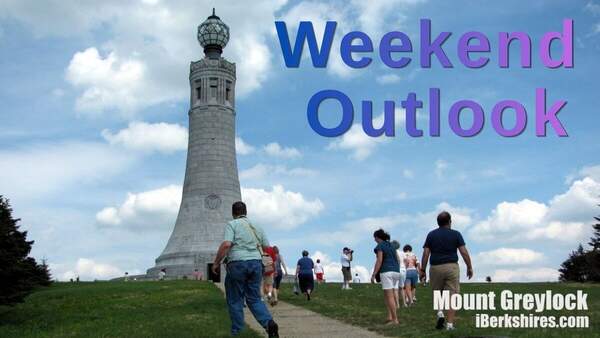
Weekend Outlook: Get Outside This Holiday Weekend
iBerkshires Staff
Enjoy the peak of the fall season this weekend before the weather turns frosty!
Editor's Pick
Mt. Greylock Ramble/RambleFest
All Around Adams Oct. 9–12
Massachusetts' highest peak is the centerpiece of a weekend-long celebration of autumn in the Berkshires. A live performance by comedian Jason Salmon on Friday, Oct. 9, and the Big in the Berkshires local music showcase on Saturday, Oct. 10, both will kick off the weekend at The Adams Theater. This year's RambleFest celebration will be held Sunday, Oct. 11, from noon to 5 p.m. p.m. at the Adams Visitor Center, located at 3 Hoosac St. in Adams. This free event will feature live music, food and drink, vendors, children's activities, sight-seeing trains, and more. The 58th annual Mt. Greylock Ramble, a hike along the Cheshire Harbor Trail to the summit of Mount Greylock, will take place Monday, Oct. 12. This 6.6-mile, round-trip hike that is moderately strenuous and can take four to five hours, but the spectacular views at the 3,491-foot summit are worth the effort. The first 2,000 hikers will receive certificates of accomplishment. A free shuttle from the Adams Visitor Center to the trailhead runs from 8 a.m. to 1 p.m. with return shuttle until 4 p.m. Very limited parking will be available near the trailhead, so use of the shuttle is strongly encouraged.
"Celebrating Jewish Plays" features three readings presented over three evenings during the holiday weekend. Live poetry, speakers, musical performances, and more have been added to this year's celebration. Multishow weekend passes are also available; tickets are $30 to $100.
Closing Reception for 'Terra Mater'
Hotel Downstreet, 40 Main St., North Adams
6–8 p.m.
These nature-inspired ink, cyanotype, and mixed-media works by artists Joan Ryan, Livia Linden, Carissa Toomey and Alicia Canary are curated by Anna Salmeron.
'Goosebumps' Party
Lenox Library, Lenox
3:30–5 p.m.
As part of Banned Books Week, the library invites the public to celebrate the birthday of prolific author R.L. with a Goosebumps Party with crafts, food, and fun. Create neon marker art, slime, and listen to scary stories. Free for all ages.
American Stories Curator Talks
Norman Rockwell Museum, Stockbridge
9:30 a.m.
Spend a morning with curators exploring Norman Rockwell Museum's expansive and thought-provoking exhibition commemorating 250 years of America. Each session will focus on a theme drawn from the exhibition. This program occurs before public opening hours, providing a unique opportunity for reflection and enjoyment of the exhibition.
Planetarium Show
Milham Planetarium,Williams College, Williamstown
8–9 p.m.
Weekly planetarium shows are held on Friday nights at the Milham Planetarium to see all that night sky has to offer, from mythology to astrophysics and cosmology.
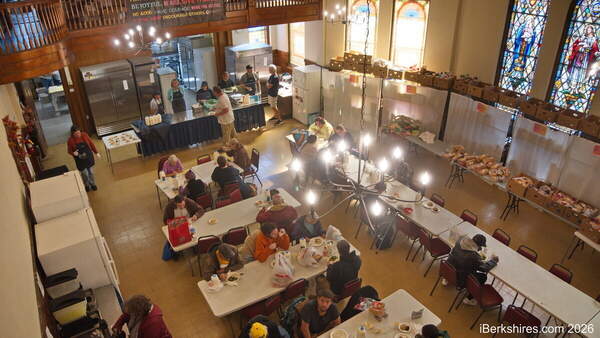
After four decades of serving meals out of First Congregational Church, the Berkshire Food Project is officially putting down permanent roots — and giving its longtime dining space a major overhaul. click for more
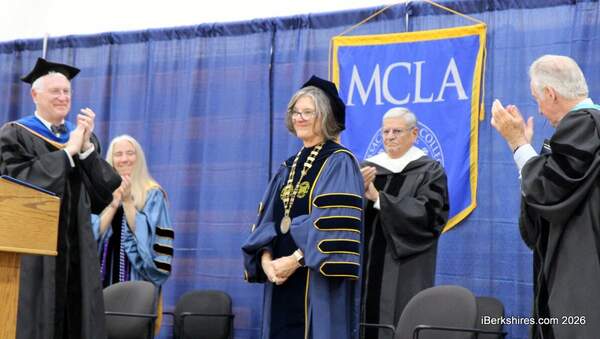
The 13th president of Massachusetts College of Liberal Arts was formally installed on Saturday and challenged the college community to "love your students to success."
click for more
The North Adams Housing Authority Board of Commissioners will hold a grievance hearing with the Tenants Association to discuss retaliatory actions allegedly committed by the executive director. click for more